Blog
We provide practical tips to help you maximize energy savings, protect your investment, and maintain year-round comfort. Check out the latest advancements in insulation technology, learn how protective coatings can extend the life of your building materials, and stay informed about industry best practices.
Request FREE Quote
Discover Rebate Opportunities!




Should You Top Up Insulation at the End of Summer?
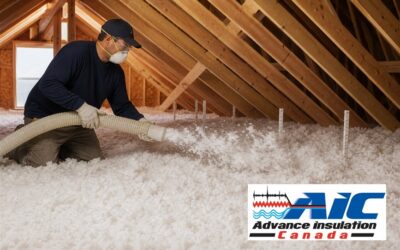
An insulation top-up can improve comfort when the existing material is clean, dry, stable, and simply below the level the home needs. It is not the right first step when the attic has moisture, pests, air leaks, blocked ventilation, or contaminated insulation. End-of-summer timing gives homeowners a chance to separate simple depth problems from issues that need correction before fall.
Why Heat Pumps Need Better Air Sealing Before Fall
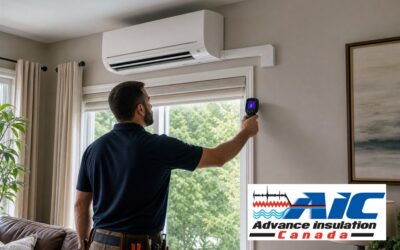
Heat pumps work best when the building envelope is tight enough to hold conditioned air. Late summer is a smart time to look for leaks because homeowners have just seen how the system handled cooling and can prepare before heating season. Air sealing and insulation improvements can reduce drafts, improve room balance, and help a heat pump operate against a steadier load.
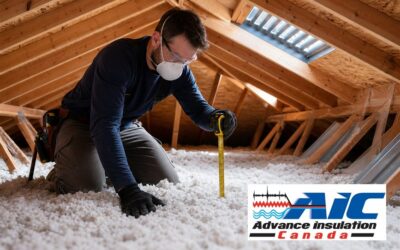
Late Summer Attic Insulation Checks Before Fall Weather
A late summer attic insulation inspection helps homeowners spot heat damage, air leaks, moisture stains, and thin coverage before fall rain and cooler nights arrive. The best inspection looks at insulation depth, ventilation paths, attic hatches, roof penetrations, and signs that the attic has been overheated or damp. Finding problems in August gives property owners time to plan attic insulation work before the first cold stretch.
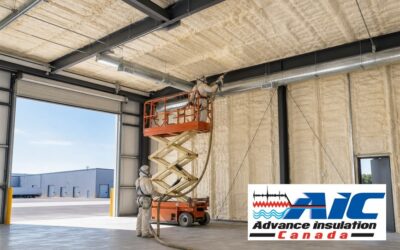
How Commercial Insulation Reduces Summer Cooling Demand
Commercial insulation reduces heat transfer through roofs, walls, and other parts of the building envelope during cooling season. Air sealing and complete coverage are equally important because uncontrolled leakage can carry heat and humidity around the insulation. An envelope assessment helps owners prioritize upgrades that suit the building’s use, construction, mechanical systems, moisture conditions, and operating schedule.
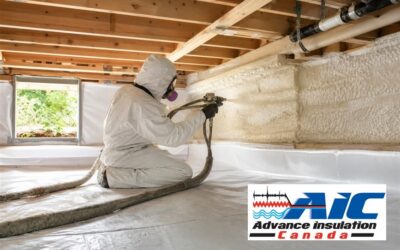
How Crawl Space Insulation Supports Summer Cooling
A leaky crawl space can admit warm, humid outdoor air that makes floors and rooms harder to keep comfortable. Proper insulation, air sealing, drainage, and moisture control can make the lower building envelope more stable during cooling season. The right strategy depends on whether the crawl space is vented, conditioned, damp, mechanically connected to the home, or affected by bulk-water problems.
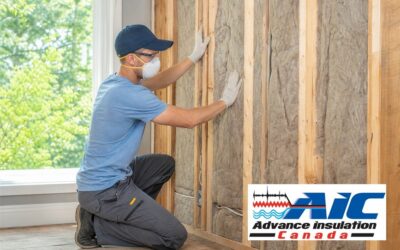
Can Wall Insulation Keep Your Home Cooler in Summer?
Wall insulation slows outdoor heat from moving into air-conditioned rooms during warm weather. Its performance depends on complete coverage, effective air sealing, moisture control, and the condition of the existing wall assembly. Older or renovated homes may benefit from a professional assessment when certain rooms overheat, feel drafty, or lose their comfortable temperature quickly.
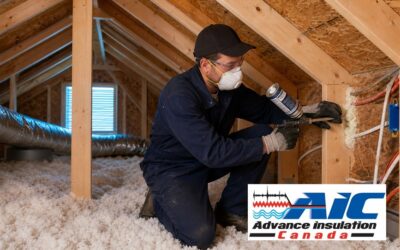
How Air Sealing Keeps Cool Air Inside Your Home
Air sealing closes hidden gaps that let cooled indoor air escape and warm outdoor air enter during summer. When sealing is combined with effective insulation, an air conditioner can maintain a steadier temperature with less unnecessary runtime. A professional assessment can identify leaks around attic penetrations, rim joists, hatches, ducts, and other parts of the building envelope.
Why Your Upstairs Rooms Get Too Hot in Spring and Summer
Heat Builds Up Fast in the Attic Upstairs rooms often feel hotter because the attic sits directly above them. During spring and summer, the roof...
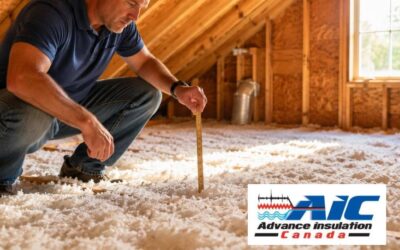
Does Your Attic Need More Insulation Before Summer
Summary: Your attic may need more insulation before summer if upstairs rooms get too hot, your air conditioner runs constantly, or the attic...
Signs Your Insulation Was Damaged Over the Winter
Summary: Winter can damage attic insulation through moisture, ice dams, air leaks, pests, roof leaks, and compression. Common warning signs include...