
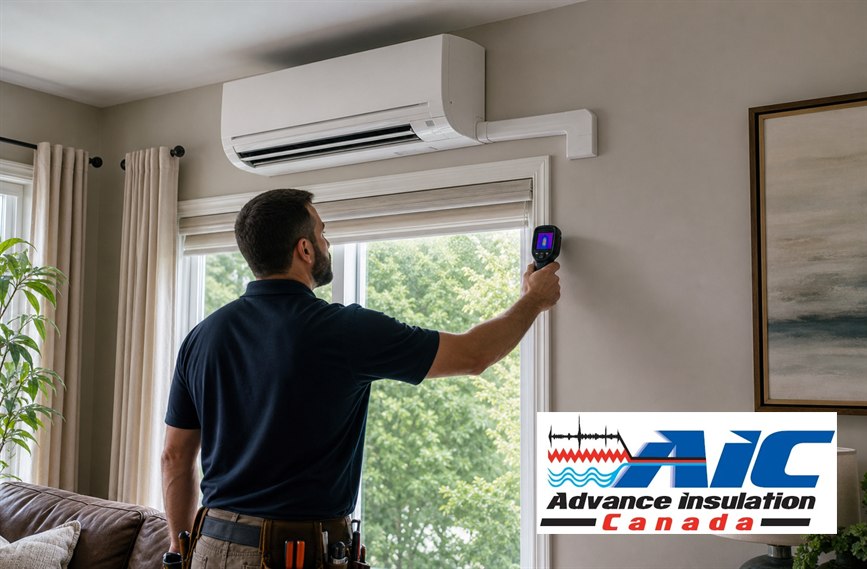
Summary: Heat pumps work best when the building envelope is tight enough to hold conditioned air. Late summer is a smart time to look for leaks because homeowners have just seen how the system handled cooling and can prepare before heating season. Air sealing and insulation improvements can reduce drafts, improve room balance, and help a heat pump operate against a steadier load.
Air leakage can make even a well-installed heat pump feel less effective, which is why spray foam insulation and targeted sealing are often discussed together. The equipment creates efficient heating and cooling, but the building envelope decides how long that comfort stays inside.
The Envelope Sets the Workload
A heat pump does not only respond to the thermostat. It also responds to the speed at which the home gains heat in August and loses heat in fall. Leaky attics, rim joists, wall transitions, and duct paths can force the system to correct comfort losses that insulation should be helping to control.
When leaks are reduced, temperature changes tend to be smoother. That can make rooms feel less drafty and reduce the need for constant thermostat adjustments.
Why Late Summer Evidence Is Useful
Cooling season creates a useful stress test. Rooms that would not stay cool, hallways that felt humid, and upstairs areas that heated quickly can all point toward envelope weaknesses. Those same weaknesses often become cold drafts when the system switches to heating.
The earlier post on keeping cool air inside with air sealing explains the summer side of the same problem. August is the bridge between those symptoms and the fall work plan.
Where Heat-Pump Homes Often Leak
| Leak Area | Cooling Symptom | Fall Heating Symptom | Envelope Action |
|---|---|---|---|
| Attic hatch | Hot hallway | Cold draft below hatch | Seal and insulate hatch |
| Rim joists | Humid lower rooms | Cold floors or edges | Seal penetrations and insulate |
| Duct chases | Uneven room cooling | Heat loss to cavities | Close bypasses and inspect ducts |
| Wall transitions | Warm exterior rooms | Drafts at additions | Investigate insulation continuity |
This kind of comparison keeps the inspection practical. The homeowner is not chasing every tiny crack; the priority is finding leaks that affect comfort in both operating seasons.
Insulation Must Be Continuous
Heat pumps prefer steady conditions. Missing insulation, compressed batts, thin attic coverage, or unsealed cavities create fast temperature swings that equipment has to answer. Continuous insulation and air control make the home easier to condition.
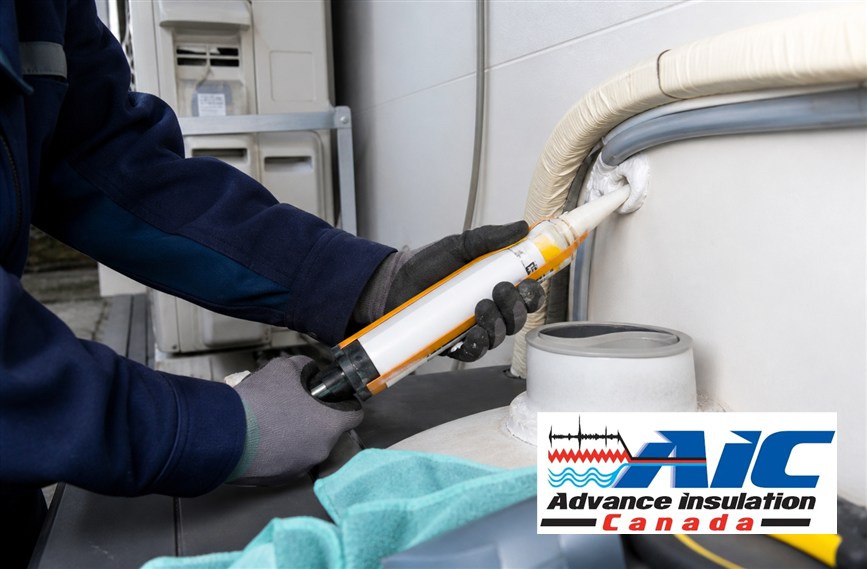
Different assemblies need different products. Closed-cell spray foam may help in compatible rim joist or irregular areas, while blown-in or batt systems may be better elsewhere.
Rebates Can Influence Timing
Programs and eligibility rules can change, so homeowners should confirm current requirements before starting work. The existing article about Victoria insulation rebates and contractor selection is a useful starting point for understanding documentation and project planning.
Even when a rebate is not available, the same documentation discipline helps. Photos, scopes, product details, and before-and-after notes make it easier to understand what was improved.
Do Not Ignore Ventilation
Air sealing is about controlling accidental leakage, not eliminating fresh air. A tighter building may need better attention to planned ventilation, bathroom fans, kitchen exhaust, and humidity management. This is especially important when the home relies on a heat pump for year-round comfort.
A responsible scope checks whether existing ventilation is working before and after envelope improvements. Comfort should improve without creating stale air or moisture problems.
Questions to Ask Before Work Starts
Ask which leaks are being targeted, how the contractor found them, what materials will be used, and how combustion appliances or high-temperature areas are protected. Ask whether the work supports both cooling and heating performance instead of only addressing one complaint.
A good answer should connect the recommendation to your actual rooms, your equipment, and your building details. Generic promises are less useful than a clear sequence of inspection, sealing, insulation, and verification.
Heat-pump comfort complaints are often blamed on equipment first, but a building envelope problem can look similar from the living room. If one room never quite reaches setpoint while another feels fine, the inspection should consider ducts, doors, insulation continuity, solar exposure, and air leakage together.
The best time to solve this is before the first steady heating week. Contractors can still use summer cooling symptoms, thermal patterns, and occupant notes to find the weak areas, then prepare the home for the heating side of the same equipment.
Homeowners should also ask whether any envelope work might affect fresh-air strategy. Sealing a major leak is good, but planned ventilation, humidity control, and exhaust performance still deserve attention when a heat pump serves the home year-round.
The verified air sealing heat pump profile on Google Maps confirms the local business listing for readers checking who they are contacting. The technical next step remains a site-specific inspection, because every heat-pump home leaks differently.
Mini-split and ducted heat-pump homes can show envelope problems in different ways. A ductless head may keep one room comfortable while adjacent spaces depend on doors and transfer air. A ducted system may reveal losses through leaky chases or poorly insulated runs. The air-sealing conversation should match the equipment layout.
Thermostat behaviour is another useful clue. If the setpoint looks reasonable but occupants still feel drafts or cold edges, the issue may be surface temperature and air movement rather than equipment capacity. Better sealing and insulation can make the home feel more stable at the same thermostat setting.
The quote should explain whether recommended work is aimed at leakage, conductive heat loss, or both. Spray foam may be appropriate where the same area needs insulation and air control, while other locations may need gaskets, caulking, blocking, or different insulation materials.
Because heat pumps are often installed as part of broader efficiency upgrades, documentation matters. Homeowners should keep product information, before photos, scope notes, and invoices together so future service providers can understand what changed in the building envelope.
It is also worth noting which comfort complaints remain after the work. If sealing and insulation improve drafts but one room still lags, the remaining issue may be airflow, equipment balancing, or solar exposure. Separating those causes keeps the next repair focused instead of restarting the whole diagnosis.
A short comfort diary can be surprisingly useful before the visit. Note outdoor temperature, indoor setpoint, which rooms lag, and whether doors were open. That small record helps separate air-sealing opportunities from thermostat habits or equipment settings.
The Advance Insulation Canada Invitation
When a heat pump is working harder than the house allows, Advance Insulation Canada can assess air sealing heat pump improvements before fall arrives. Call 1-855-531-3626 for a free quote on envelope upgrades that support steadier comfort.