
Summary: Wall insulation slows outdoor heat from moving into air-conditioned rooms during warm weather. Its performance depends on complete coverage, effective air sealing, moisture control, and the condition of the existing wall assembly. Older or renovated homes may benefit from a professional assessment when certain rooms overheat, feel drafty, or lose their comfortable temperature quickly.
Professional blown-in insulation may improve suitable existing wall cavities with limited disturbance, while other buildings may require batt, rigid, or spray-applied products. The correct approach depends on access, cavity construction, current insulation, electrical conditions, cladding, vapour control, and local requirements.
How Summer Heat Moves Through Exterior Walls
Sunlight can heat siding, masonry, and roofing well above the outdoor air temperature. That heat moves through layers of the wall toward cooler indoor spaces. Insulation slows this conductive flow, helping the inside wall surface remain closer to the room temperature and reducing the load placed on the cooling system.
West- and south-facing rooms often receive the greatest afternoon solar exposure. Dark exterior finishes, limited shade, large windows, and small roof overhangs can increase heat gain. Wall insulation cannot eliminate every source of heat, but it is an important part of the boundary separating conditioned rooms from summer weather.
Why Some Rooms Heat Up Faster Than Others
A room can be uncomfortable because of missing insulation, settled material, air leaks, duct problems, glazing, or sun exposure. Additions and converted spaces are particularly prone to inconsistent assemblies because they may have been built or renovated at different times. Knee walls, cantilevers, garage-adjacent rooms, and bonus rooms often include complicated transitions.
Before recommending insulation, a professional should consider when the room becomes hot, which surfaces feel warm, how the HVAC system serves the area, and whether doors restrict return airflow. This avoids treating every comfort problem as though it has the same cause.
What Insulation Can and Cannot Fix
Complete wall insulation can reduce heat transfer, improve surface temperatures, and help cooled rooms stay comfortable longer. It may also reduce sound transmission and improve winter comfort, depending on the assembly and material. Air sealing around framing joints, service penetrations, and wall-to-floor transitions can strengthen the result.
Insulation will not repair an undersized or failing air conditioner, disconnected ducts, severe window heat gain, or inadequate shading. It also should not be installed over active leaks or concealed moisture. The envelope, mechanical system, and moisture sources need to be evaluated as connected parts of the building.
Options for Existing Finished Walls
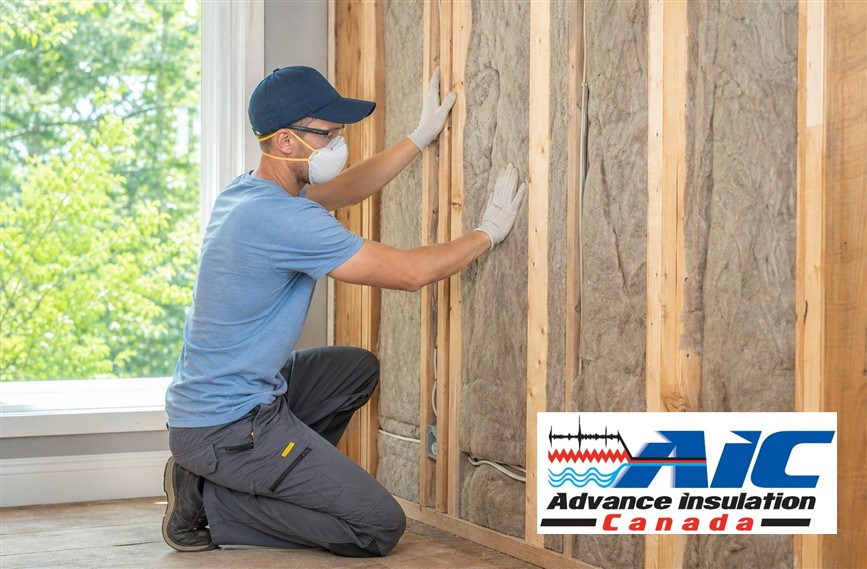
Some finished walls can be dense-packed or filled through carefully planned access holes, then patched after installation. This can be useful when cavities are empty or poorly filled and removing all drywall is not practical. The article on insulating walls without removing drywall describes the basic retrofit approach.
Open walls during a renovation provide more options because installers can inspect framing, wiring, plumbing, moisture damage, and fire blocking directly. Batts can be cut around obstructions, rigid products can address thermal bridging in some designs, and spray foam may provide insulation plus air control where the assembly permits it.
Exterior retrofit work can sometimes add continuous insulation over the sheathing when siding is replaced. This approach may reduce thermal bridging through studs and improve whole-wall performance, but window openings, flashing, roof intersections, service penetrations, and cladding attachment all need careful detailing. It is normally coordinated with broader renovation work rather than treated as a simple cavity fill.
Injection or dense-pack methods require experienced installation because hidden blocking, old wiring, fire stops, and irregular framing can prevent complete filling. Installers may use test holes, borescopes, material-density checks, or infrared observations to confirm coverage. Patch locations and the expected finish should be agreed upon before work begins.
Why Coverage Quality Matters as Much as R-Value
Insulation labels describe tested thermal resistance, but field performance also depends on installation. Voids, compression, thin areas, and gaps around electrical boxes or pipes create easier paths for heat. A wall with a nominally good R-value may underperform if the material does not make consistent contact with the intended air barrier.
Thermal bridges through studs and structural components also affect whole-wall performance. This is why comparing products by centre-of-cavity R-value alone can be misleading. A sound recommendation considers the complete assembly, including framing, sheathing, cladding, interior finish, air control, and moisture behaviour.
Settling is another consideration for loose-fill products in vertical cavities. Proper material, density, installation equipment, and verification help limit future voids. For batts, accurate cutting around boxes and pipes is essential; folding or compressing material to make it fit can lower its effective resistance.
Moisture and Ventilation Still Matter in Summer
Warm air can carry significant moisture, and air conditioning cools indoor surfaces. If humid air reaches a cold surface inside a wall, condensation risk can increase. Retrofit work should therefore respect the wall’s drying direction and existing vapour-control strategy rather than simply filling every available space.
Controlled ventilation is different from uncontrolled leakage. A tighter, better-insulated wall can improve comfort, but occupants still need planned ventilation and appropriate humidity management. Bathrooms, kitchens, dryers, and other moisture sources should exhaust correctly.
Cladding and flashing must also keep rain out while allowing the assembly to manage incidental moisture. Staining, peeling paint, soft sheathing, or persistent odours should be investigated before cavities are filled. Installing insulation over a leak can hide damage and make drying more difficult.
Air conditioners and dehumidifiers should drain correctly, and indoor humidity should be monitored during muggy periods. Envelope work can reduce moisture entry, but it cannot overcome an active plumbing leak or an exhaust fan that terminates inside a wall or attic.
When to Request a Wall Insulation Assessment
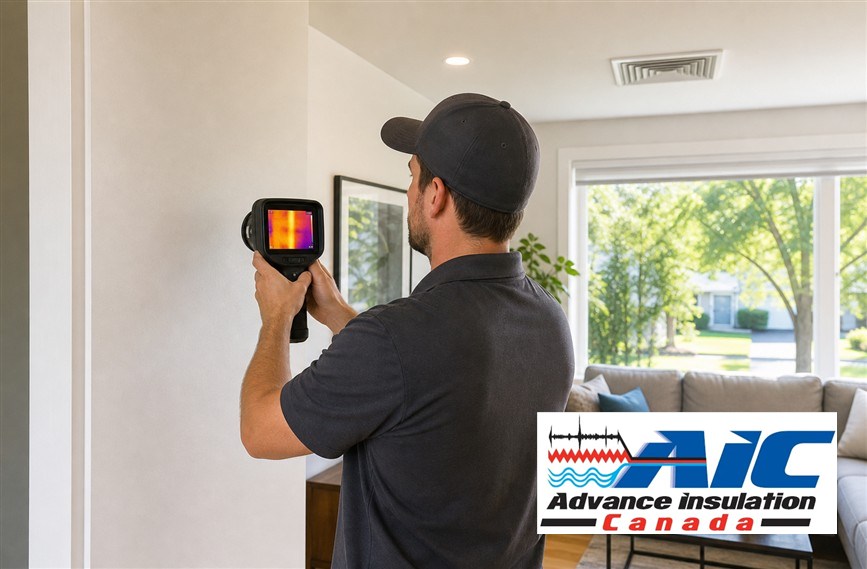
Consider an assessment when exterior walls feel unusually warm, rooms lose cooling quickly, energy use has risen, renovations expose empty cavities, or prior work appears uneven. Thermal imaging and targeted inspection can help identify patterns, but results must be interpreted alongside weather conditions and building details.
Prepare for the visit by noting which rooms are uncomfortable, the time of day the problem peaks, thermostat settings, and whether doors are usually open or closed. Recent utility bills, renovation records, and photographs of previously opened walls may help the assessor understand the existing assembly without unnecessary disturbance.
A proposal should distinguish confirmed conditions from assumptions. It should identify the target walls, access method, insulation product, expected patching, air-sealing details, moisture precautions, cleanup, and areas that cannot be reached. That clarity allows homeowners to compare the actual scope rather than comparing price alone.
Advance Insulation Canada provides insulation options for existing homes, renovations, and other buildings. Review the verified wall insulation summer cooling profile on Google Maps for the Victoria business location.
The Advance Insulation Canada Invitation
Advance Insulation Canada can explain whether wall insulation summer cooling improvements fit your home, so call 1-855-531-3626 to arrange an assessment. Request a free quote today for a wall insulation solution based on your building rather than guesswork.