
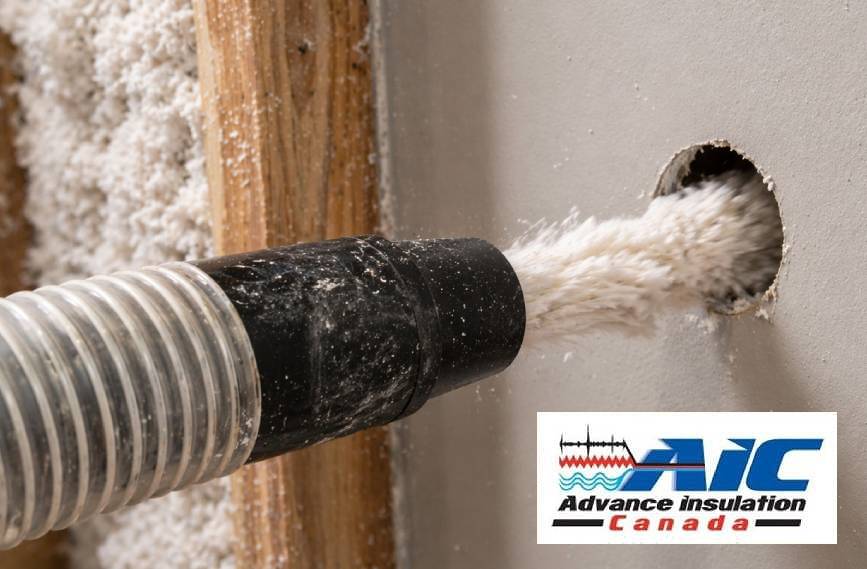
Summary: Walls can be insulated without removing drywall using methods like blown-in insulation or foam injection through small access points. The process improves comfort, reduces drafts, and increases energy efficiency without major renovation. Proper installation ensures full coverage and long-term performance, especially in older British Columbia homes.
How to Insulation a Wall Without Removing the Drywall in an Existing Home
How to insulation a wall without removing the drywall is a question many homeowners ask when rooms feel cold, drafty, or noisy. Still, a full renovation is not on the table. Older homes across British Columbia often have empty wall cavities, thin insulation, or insulation that has settled over time. Wall upgrades can make a major difference in comfort, especially in houses that lose heat quickly during cooler months.
A non-destructive insulation approach usually involves creating small access holes rather than tearing open large sections of the wall. Those openings allow installers to fill the cavity with insulation while keeping the main wall surface in place. After the insulation is installed, the openings are patched and finished. Homeowners benefit from improved insulation without the mess, time, or cost of full drywall removal.
British Columbia homes can especially benefit from this kind of upgrade because many properties face a mix of moisture, coastal humidity, temperature shifts, and high energy costs. Exterior walls work hard year-round. Better insulation helps rooms stay warmer in winter and more stable during the rest of the year. Energy efficiency and indoor comfort improve, and the project remains far more manageable than a full interior demolition.
Many people assume wall insulation always means opening everything up. In reality, modern equipment and installation methods enable upgrading many wall systems with minimal disruption. Success depends on the condition of the wall cavity, the insulation material used, and the installer’s skill. Proper planning is what turns a minimally invasive project into a long-lasting improvement.
Can You Insulate Exterior Walls Without Removing Drywall and Still Get Good Results
Can you insulate exterior walls without removing drywall is one of the most common questions tied to energy savings. In many homes, exterior walls are responsible for a large share of heat loss. When those walls are under-insulated, rooms near the perimeter of the home often feel colder, especially near windows, corners, and north-facing sides.
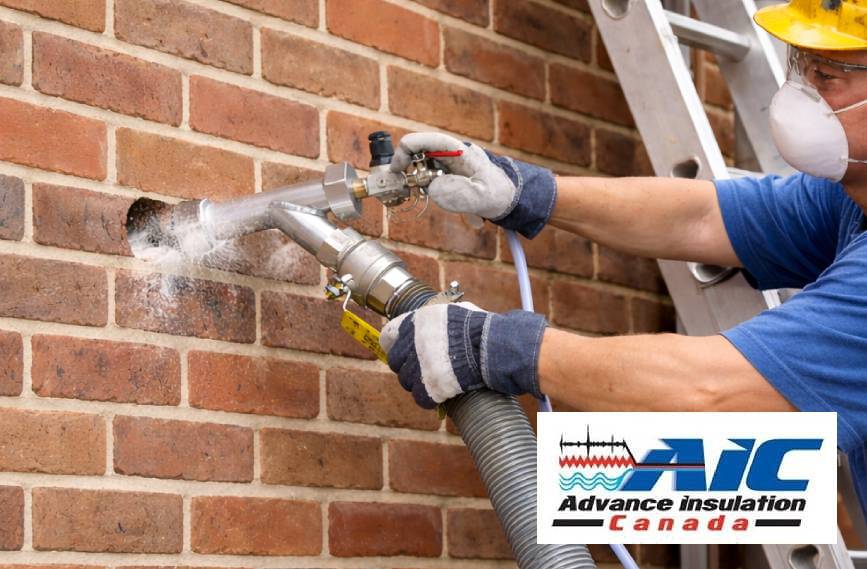
Good results are possible when wall cavities are accessible, and the proper installation method is used. Contractors often locate the studs, identify the cavity layout, and drill small openings into each stud bay. Insulation is then blown or injected into the cavity in a controlled way. Once the cavity reaches the appropriate density, the hole is sealed, and the installer moves to the next section.
Exterior walls can sometimes be accessed from the outside instead of the inside. That approach may work well when siding is already being repaired or replaced. In other cases, interior access through small wall openings is the simpler choice. The best method depends on the wall assembly, finish materials, and the home’s overall condition.
Performance depends on coverage. A partially filled wall cavity will not deliver the same results as a fully and evenly insulated one. Skilled installation matters because gaps, voids, and uneven density reduce efficiency. A proper installation can improve indoor comfort, reduce drafts, and lower heating demand without forcing homeowners into a major wall-replacement project.
Can You Insulate Interior Walls Without Removing Drywall for Sound Control and Comfort
Can you insulate interior walls without removing drywall is often asked by homeowners who care less about weather exposure and more about sound transfer or room-to-room comfort. Interior wall insulation is different from exterior wall insulation, but it can still be extremely valuable. Bedrooms, bathrooms, offices, nurseries, and shared living spaces often benefit from better acoustic separation.
When insulation is added to interior walls, one of the biggest gains is sound control. Voices, television noise, plumbing sounds, and general day-to-day activity can easily pass through hollow-wall cavities. Filling those cavities helps reduce sound transmission, making the home feel quieter and more private. Families notice the difference quickly in busy households.
Temperature control can also improve in some cases. Rooms that sit beside garages, stairwells, laundry spaces, or rarely heated areas may feel more stable when interior wall cavities are insulated. Comfort is not always about exterior exposure alone. Internal transitions between spaces can also affect how a home feels from one room to the next.
Installers must still be careful. Interior walls may contain plumbing, wiring, or ductwork, or may exhibit unexpected framing conditions. A methodical approach helps avoid damage and ensures the insulation reaches the target areas. A finished wall can often remain intact while the cavity behind it is upgraded for improved comfort and sound performance.
Can You Insulate Walls Without Removing Drywall Using Blown-In or Injection Methods
Can you insulate walls without removing drywall using modern methods comes down to choosing the right material and the right delivery system. Two of the most common solutions are blown-in insulation and injected foam products. Each has a role, and each works best in specific types of wall assemblies.
Blown-in insulation is often used in existing walls because it can be installed through relatively small openings. It flows into the cavity and fills the space around framing members. Dense-packed applications help reduce settling and improve long-term performance. Many homeowners choose this route when they want a balance of effectiveness, minimal disruption, and manageable cost. Material choice plays a major role in results, and comparing blown-in insulation to batts can help you decide what works best for your walls.
Injection foam is another option, particularly when air sealing is a major goal. Foam expands within the wall cavity and can help block air movement while also adding insulation value. Proper product selection matters because over-expansion or poor technique can create issues in certain wall systems. An experienced installer will know how to match the product to the structure.
Both methods require planning, but both can work very well when done properly. The real goal is not simply to get insulation into the wall. The goal is to fill the cavity consistently, protect the finished surfaces, and improve the home’s overall performance. The best results come from treating the wall as a system rather than a simple space to be filled.
If you’re considering different insulation methods, it helps to understand why spray foam continues to be one of the most effective solutions for comfort and efficiency.
| Method | Best Application | Access Style | Main Advantage |
|---|---|---|---|
| Blown-in insulation | Existing finished walls | Small drilled holes | Good cavity coverage with limited disruption |
| Injection foam | Walls needing insulation and air control | Small drilled holes | Adds insulation while helping reduce air movement |
| Interior access approach | Painted drywall surfaces | Openings from inside rooms | Works well when exterior finish is left untouched |
| Exterior access approach | Homes with siding work underway | Openings from outside | Reduces disruption inside the home |
Can You Insulate Without Removing Drywall in Older British Columbia Houses
Can you insulate without removing drywall in an older British Columbia house depends on what is hiding inside the wall. Many older homes were built with little insulation or with materials that no longer perform well. Some cavities may be partially filled, some may be empty, and some may have irregular framing, making installation more challenging.
Older homes often come with surprises. Fire blocking, diagonal bracing, previous renovations, wiring updates, and patched openings can all affect how insulation moves through a cavity. A straightforward job on paper may require extra care in practice. Inspection is important before any installation begins because it helps identify obstacles that could limit coverage.
Homes in British Columbia also deal with moisture in ways that vary by region. Coastal areas can experience persistent dampness, while interior regions may experience larger seasonal temperature swings. Wall upgrades should always consider how the wall manages air and moisture, not just how much insulation can be added. A wall that traps moisture can create problems even if it has more insulation than before.
Older homes can still be strong candidates for non-destructive wall insulation. In fact, they are often some of the best candidates because the improvement can be so noticeable. Rooms become more comfortable, drafts are reduced, and the home feels less dependent on constant heating. A careful assessment helps determine what is possible and what method is most likely to succeed.
How to Insulation a Wall Without Removing the Drywall Step by Step
How to insulation a wall without removing the drywall usually follows a clear sequence, and each step matters. The first step is evaluation. Installers assess the wall type, locate studs, identify potential plumbing and wiring hazards, and determine whether insulation, if any, is already present. A proper plan reduces mistakes and improves the final result.
The next step is layout. Stud bays are marked so each cavity can be accessed individually. Small holes are drilled in strategic locations to allow the insulation hose or injection tube to reach the cavity. Placement matters because the installer needs enough access to fill the cavity evenly from top to bottom.
Once access is ready, the insulation is installed in a controlled way. Dense packing or measured injection helps ensure the material reaches all parts of the cavity. Installers monitor resistance, fill levels, and coverage as they work. A rushed installation may leave hidden gaps, which reduces the value of the project.
After the wall is filled, the access holes are patched and prepared for finishing. Good patchwork helps preserve the room’s appearance and keeps the project looking clean and professional. A final review confirms that the insulation has been installed as intended and that the wall surface is ready for paint or touch-up.
Can You Insulate Walls Without Removing Drywall for Energy Savings in BC
Can you insulate walls without removing drywall for energy savings is a practical question, and the answer is yes when the home is a good fit for the method. Wall insulation reduces heat loss, helps stabilize indoor temperatures, and can reduce the need for heating equipment. Over time, that can lower energy bills and improve day-to-day comfort.
The comfort side of the equation is often just as important as the financial side. Homeowners notice fewer cold walls, fewer chilly rooms, and less of the uneven temperature changes that make some parts of the home feel uncomfortable. A house that holds its heat better usually feels calmer and easier to live in.
Wall insulation also works best when homeowners think about the bigger picture. Air leakage around windows, doors, attics, and crawl spaces can still affect performance. A wall upgrade does not replace every other efficiency measure. Still, it can play a major role in an overall insulation strategy. It is often one of the most practical improvements for homes with underperforming exterior walls.
For many British Columbia homeowners, the appeal is clear. They want a more efficient home, but they do not want the disruption of tearing out finished interiors. Non-destructive wall insulation offers a middle ground. It improves performance, protects the finished living space, and gives homeowners a way to upgrade comfort without turning the project into a full renovation.
Working with the right contractor can make a significant difference in both installation quality and long-term energy savings.
The Advance Insulation Canada Invitation
Advance Insulation Canada helps homeowners across British Columbia improve wall performance with insulation services designed for finished homes and real-world renovation limits. The team understands how to upgrade wall cavities with minimal disruption while focusing on comfort, efficiency, and long-term results. Call 1-833-FOAM-IT to speak with Advance Insulation Canada about insulating your walls without removing the drywall.