
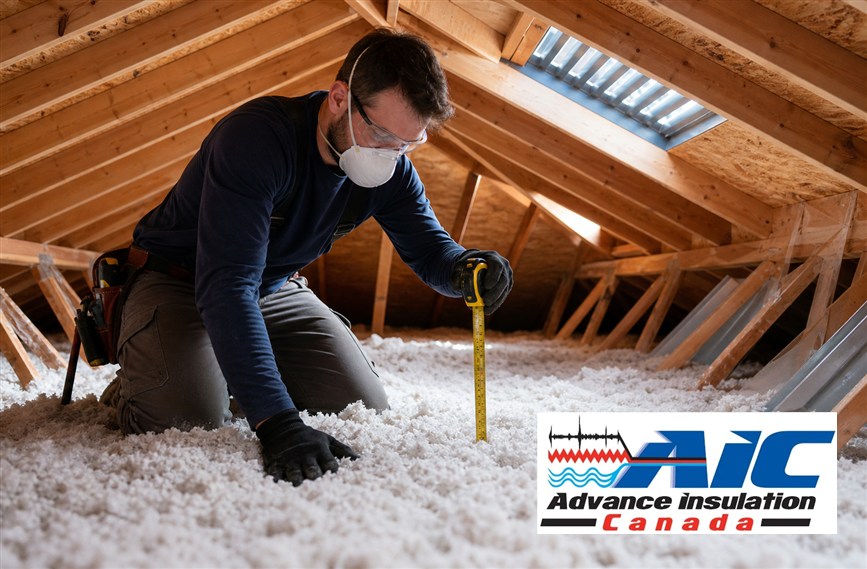
Summary: A late summer attic insulation inspection helps homeowners spot heat damage, air leaks, moisture stains, and thin coverage before fall rain and cooler nights arrive. The best inspection looks at insulation depth, ventilation paths, attic hatches, roof penetrations, and signs that the attic has been overheated or damp. Finding problems in August gives property owners time to plan attic insulation work before the first cold stretch.
A thorough attic insulation review in late summer can reveal problems that were easy to feel but hard to see during the hottest weeks. Upstairs heat, long cooling cycles, and warm ceilings often leave clues in the attic long before a homeowner starts thinking about heating season.
Why August Is a Useful Inspection Window
By August, the attic has already been through weeks of solar heat. That makes uneven insulation, blocked ventilation, and air leakage easier to connect with real comfort complaints from the rooms below. If a bedroom stayed hot all summer, the attic above it is a logical place to investigate before the weather changes.
Late summer also gives contractors a better working window than the first cold snap. Materials can be assessed before they are hidden by fresh condensation, roof leaks, or storm debris. A planned inspection is calmer and usually more useful than an urgent call after the first uncomfortable night.
What the Attic Surface Can Tell You
Insulation that looks thin, wind-washed, compressed, or disturbed may not protect the ceiling evenly. Dust marks near wiring holes or top plates can show where air has been moving through the assembly. Staining around roof penetrations, bath fan ducts, or sheathing needs closer attention before more insulation is added.
The earlier article on winter insulation damage is useful here because many of the same signs matter in reverse. Summer heat does not leave icicles, but it can expose weak airflow patterns, tired ventilation details, and attic materials that no longer sit where they belong.
A Quick Reference for Inspection Priorities
| Area | Late-Summer Clue | Possible Concern | Next Step |
|---|---|---|---|
| Attic hatch | Warm hallway or dust around trim | Air leakage into attic | Check gasket and lid insulation |
| Ceiling plane | Uneven insulation depth | Thermal weak spots | Measure and document coverage |
| Soffits | Material packed into eaves | Blocked ventilation | Inspect baffles and airflow path |
| Sheathing | Dark stains or damp marks | Leak or condensation risk | Resolve moisture before topping up |
This table is not a substitute for a professional assessment, but it helps homeowners understand why an attic inspection should be methodical. The goal is to identify causes, not simply add more material to whatever surface is visible.
Air Sealing Comes Before Extra Depth
Adding insulation over open air pathways can bury the problem. Gaps around plumbing stacks, wiring, partition-wall tops, chimneys, and fixtures can allow conditioned air to escape even when the attic appears well covered. Air sealing those details can improve both summer and winter performance.
Combustion clearances and high-temperature areas must be handled with approved materials. A professional installer should know where foam is appropriate and where sheet metal, fire-rated products, or other methods are required.
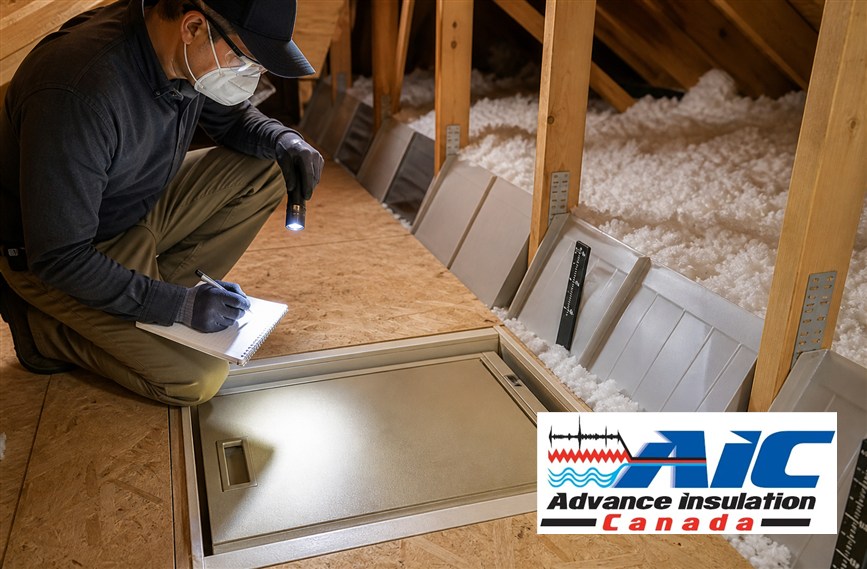
Moisture Should Change the Plan
Fall rain can turn a small leak or condensation problem into a larger repair. Damp insulation loses effectiveness and may hide stained wood, bath fan discharge, or roof issues. If moisture is present, the source should be found before an insulation top-up is scheduled.
A good attic insulation inspection asks why the material changed, not only how much material is there.Moisture, pests, wind movement, and past trade work can all alter attic performance.
How This Connects With Prior Summer Comfort Issues
If upper rooms were hot in June or July, the article on upstairs rooms getting too hot gives useful background. Late summer is the time to turn those symptoms into a concrete attic checklist while the memory of uncomfortable rooms is still fresh.
The best inspection connects specific rooms with the attic details above them. That room-by-room link helps prioritize work instead of treating the attic as one uniform space.
What to Prepare Before Booking
Homeowners can note which rooms were uncomfortable, whether the air conditioner ran longer than expected, and whether any ceiling stains or musty odours appeared. Photographs of accessible attic areas can help start the conversation, but safe access matters more than curiosity.
Advance Insulation Canada can review attic conditions, explain whether insulation should be topped up or corrected, and recommend a sequence for air sealing, ventilation, and insulation work.
The most useful appointment notes are specific. Write down whether heat was worse in bedrooms, hallways, bathrooms, or bonus rooms, and whether the issue appeared after noon, after sunset, or all day. Those timing clues help connect comfort complaints with roof exposure, attic airflow, and ceiling-plane leakage.
Ask the inspector to separate immediate repairs from optional improvements. A missing hatch gasket, an open plumbing chase, and uneven insulation may all be visible in the same attic, but they do not carry the same urgency. Sequencing keeps the project practical and easier to budget.
The earlier post on spring attic inspections is worth revisiting because August is the other side of the same maintenance rhythm. Spring checks reveal winter damage, while late-summer checks show how the attic handled heat.
For location verification and service-area context, the attic insulation inspection listing on Google Maps points to the verified Victoria business profile. Use it only as a business reference; the article should still keep technical decisions on the client site.
A late-summer inspection should also note whether storage has compressed insulation near the hatch or along walking paths. Boxes, boards, and past service work can flatten material and create weak strips across the ceiling plane. Those small disturbed areas can explain room-level comfort differences even when the attic looks broadly covered from the entrance.
If the attic contains older wiring, recessed fixtures, or complex framing, the recommendation may need extra care. Safe clearances and access routes should be preserved, and the contractor should explain which areas can be sealed or insulated without disturbing systems that require specialist attention.
A homeowner should expect the inspection to produce a sequence rather than a single number. Depth matters, but so do ventilation channels, moisture clues, air-sealing targets, and the condition of existing material. When those items are recorded together, the quote becomes easier to compare and easier to verify after work is complete.
August is also a useful time to check whether roof or ventilation repairs are already planned. If another trade will enter the attic soon, insulation work may be better scheduled after that trade finishes. Coordinating the order prevents new insulation from being trampled or moved before it has delivered any value.
The Advance Insulation Canada Invitation
If August exposed warm rooms or uneven comfort, Advance Insulation Canada can turn an attic insulation inspection into a practical repair plan for your home. Call 1-855-531-3626 for a free quote before fall weather makes attic work feel urgent.