
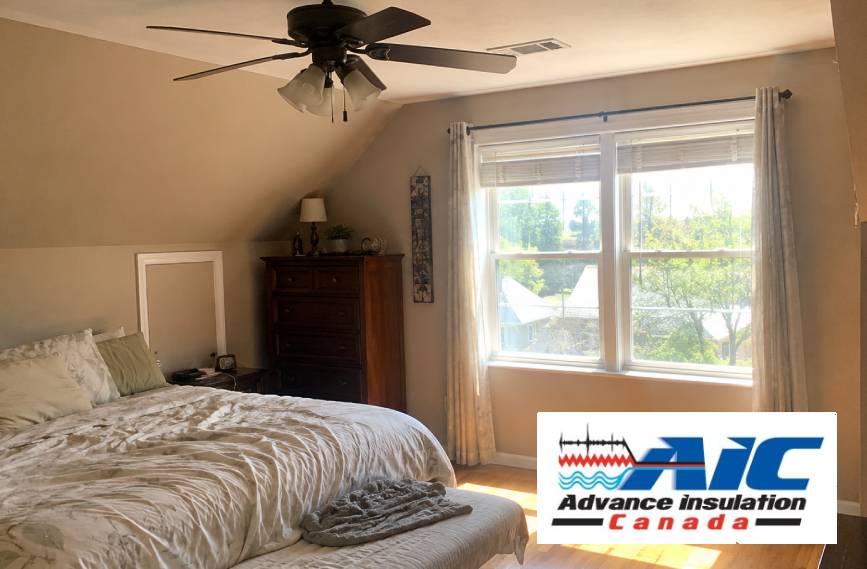
Summary: Upstairs rooms overheat in spring and summer due to attic heat buildup, thin insulation, air leaks, poor ventilation, an unsealed hatch, or leaky ducts. A proper attic inspection that addresses these issues in the right order, before adding insulation, can improve comfort and cooling efficiency ahead of peak summer heat.
Heat Builds Up Fast in the Attic
Upstairs rooms often feel hotter because the attic sits directly above them. During spring and summer, the roof absorbs heat from the sun for hours each day. As the attic warms up, heat can move downward through the ceiling into bedrooms, hallways, bathrooms, and bonus rooms.
A hot attic can affect comfort even after sunset. Roof materials and attic framing can retain heat later into the evening, so upstairs rooms may stay warm long after outdoor temperatures begin to drop. Many homeowners notice the problem most at bedtime, when the main floor feels comfortable but the second floor still feels stuffy.
Attic insulation is supposed to slow that heat transfer. When insulation is too thin, uneven, compressed, or missing in certain areas, heat moves through the ceiling more easily. The result can be a second floor that feels hard to cool, even when the air conditioner is working.
Spring is often when the problem first becomes noticeable. The weather warms up, the sun gets stronger, and the attic starts acting like a heat reservoir above the living space.
Thin Attic Insulation Can Let Heat Move Downstairs
Attic insulation helps separate the hot attic from the cooled rooms below. When there is not enough insulation, upstairs rooms can absorb heat from above throughout the day. Air conditioning may cool the air, but the ceiling and walls can still radiate warmth into the room.
Older homes are especially prone to low attic insulation levels. Some attics were insulated to older standards, while others have insulation that has settled over time. Loose-fill insulation can become uneven, and batt insulation can leave gaps around framing, wiring, plumbing, or attic access points.
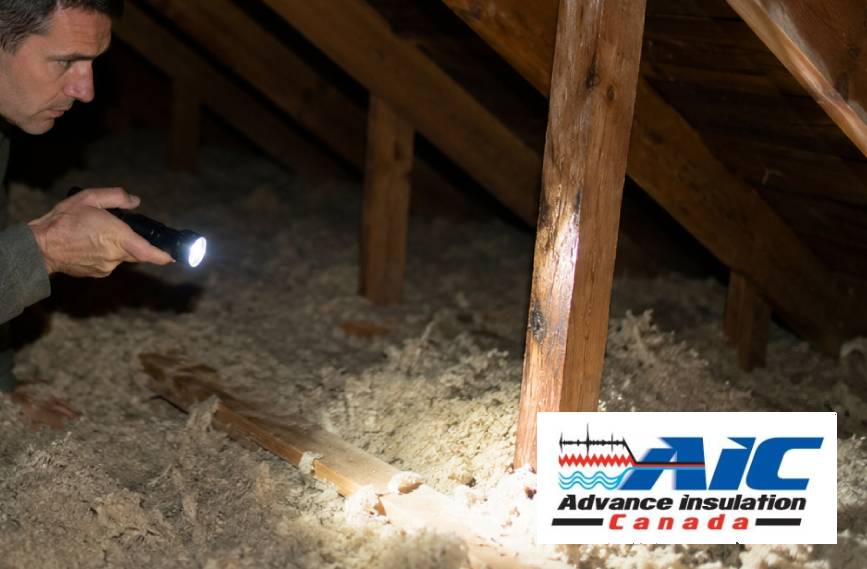
A quick look from the attic hatch does not always tell the full story. Insulation may appear acceptable near the entrance, but it thins farther back. Joists may be visible in low areas. Past trades, storage, pest activity, or repairs may have disturbed sections without anyone noticing.
More insulation can help, but only after the attic is inspected properly. New insulation should not be added over moisture damage, pest contamination, blocked vents, or major air leaks. A good attic upgrade starts with understanding why the upstairs rooms are overheating in the first place.
Air Leaks Can Make Upstairs Rooms Feel Stuffy
Air leaks are another major reason upstairs rooms get too hot. Small gaps between the living space and attic can allow unwanted air movement. In summer, hot attic air can influence rooms below. In winter, warm indoor air can leak upward and carry moisture into the attic.
Common leakage spots include attic hatches, ceiling light fixtures, plumbing penetrations, wiring holes, bathroom fans, duct chases, dropped ceilings, and gaps around walls or framing. Even small openings can add up across an entire upper floor.
Air sealing is often overlooked because insulation gets most of the attention. Insulation slows heat movement, but it does not stop air from leaking through gaps. If air can move freely through hidden openings, upstairs rooms may still feel uncomfortable after an insulation top-up.
A proper attic inspection should include air-leak checks before additional insulation is added. Sealing gaps first helps insulation perform better and can improve comfort in the rooms below. It can also reduce the chance of attic moisture problems during colder months.
Poor Attic Ventilation Can Trap Heat
Attic ventilation helps remove hot air and moisture from the attic. During spring and summer, ventilation can reduce heat buildup under the roof. Good ventilation usually relies on intake vents near the soffits and exhaust vents higher on the roof.
Problems can happen when soffit vents are blocked by insulation, baffles are missing, roof vents are inadequate, or ventilation paths are restricted. A hot attic with poor airflow can push more heat toward the living space below. Upstairs rooms may feel warmer, and the cooling system may need to run longer.
Ventilation and insulation need to work together. Too little insulation allows heat to move into the home. Poor ventilation keeps the attic hotter than it should be. Blocked ventilation can also create moisture concerns at other times of the year.
Adding more insulation without checking ventilation can make a problem worse. Loose-fill insulation can block soffit vents if baffles are not installed properly. A contractor should review ventilation paths before completing an attic insulation top-up.
The Attic Hatch May Be Part of the Problem
The attic hatch is a small detail with a big impact. Many attic access panels are poorly sealed, uninsulated, or loose-fitting. Since the hatch is usually in an upstairs hallway, closet, or ceiling area, heat from the attic can directly affect the upper floor.
A poorly sealed hatch can allow attic air to leak into the living space. During warm weather, this can make nearby rooms feel hotter or more humid. In homes with central air conditioning, the area around the hatch may feel noticeably warmer than the rest of the hallway.
The hatch should be insulated and weatherstripped. It should close tightly and sit flush with the surrounding ceiling. Gaps around the frame should also be sealed.
A hatch problem may seem minor, but it can reduce the effectiveness of a larger attic upgrade. If homeowners add insulation across the attic floor but leave the access panel unsealed, one of the weakest areas remains open. A complete attic inspection should always include the hatch.
Ductwork in the Attic Can Affect Cooling Performance
Some homes have air conditioning ducts running through the attic. When ducts pass through a hot attic, cooled air can warm up before it reaches the upstairs rooms. Leaky or poorly insulated ducts can make the problem even worse.
If the upstairs vents blow weak or lukewarm air, the attic ductwork may need attention. Air may be escaping through duct leaks, or heat may be entering the duct system before the air reaches the room. As a result, the cooling system runs, but the upstairs rooms still feel uncomfortable.
Ducts should be properly sealed, supported, and insulated. Crushed, disconnected, or poorly routed ductwork can also reduce airflow. In some cases, the attic insulation may be fine, but the cooling distribution system is struggling.
A full comfort inspection should consider the attic and the HVAC system together. Hot upstairs rooms can result from multiple causes, including poor insulation, air leakage, attic heat buildup, and duct issues.
Sun Exposure and Room Layout Can Add to the Heat
Not all upstairs rooms heat up the same way. Bedrooms facing west or south may receive stronger afternoon sun. Rooms with large windows, dark roofing above, poor blinds, limited airflow, or vaulted ceilings may feel warmer than other areas of the home.
Room layout can also matter. Bonus rooms over garages, finished attic spaces, and rooms tucked under roof slopes often have more surfaces exposed to heat. If insulation behind knee walls or sloped ceilings is missing or poorly installed, those spaces can quickly become uncomfortable.
Window coverings, ceiling fans, and proper airflow can help, but they may not solve the attic-related cause. A room may still overheat if the ceiling above it lacks enough insulation or the attic nearby is poorly sealed.
Homeowners should look for patterns. If one side of the upstairs is much hotter, sun exposure may be a factor. If the entire second floor gets hot, the problem may be attic insulation, air sealing, ventilation, or cooling distribution.
How to Fix Hot Upstairs Rooms Before Summer Peaks
The best first step is an attic inspection. Guessing can lead to wasted money because hot upstairs rooms often have multiple causes. Adding insulation may help, but air sealing, ventilation improvements, hatch sealing, duct repairs, or moisture corrections may need to come first.
| Problem | What It Can Cause | What to Check | Best Fix |
|---|---|---|---|
| Thin attic insulation | Hot upstairs rooms | Insulation depth and coverage | Add insulation after inspection |
| Air leaks | Warm attic air entering the home | Hatches, lights, fans, and gaps | Seal leaks before topping up |
| Blocked attic vents | Trapped attic heat | Soffits, baffles, and roof vents | Clear airflow paths |
| Leaky attic ducts | Weak or warm airflow upstairs | Duct seams and insulation | Seal and insulate ducts |
A proper inspection should check insulation depth, uneven coverage, compressed areas, attic hatch condition, air leakage points, soffit vents, baffles, roof ventilation, bathroom fan venting, and signs of moisture or pests. Each item helps explain how heat is moving and why rooms feel uncomfortable.
After the inspection, the repair order matters. Air leaks should be sealed before insulation is added. Blocked ventilation should be corrected before a top-up. Damaged or contaminated insulation should be handled before installing fresh material. Duct problems should be reviewed if airflow feels weak or uneven.
Fixing the attic before peak summer heat can make the home more comfortable and easier to cool. Better attic performance can also help reduce strain on the air conditioner during long, hot stretches.
If your upstairs rooms get too hot in spring and summer, Advance Insulation Canada can inspect your attic insulation and help identify where heat is getting into your home. Contact the team to ask about attic insulation, insulation top-ups, air sealing, attic ventilation concerns, and home comfort improvements. Call 1-855-531-3626 today to get started.