
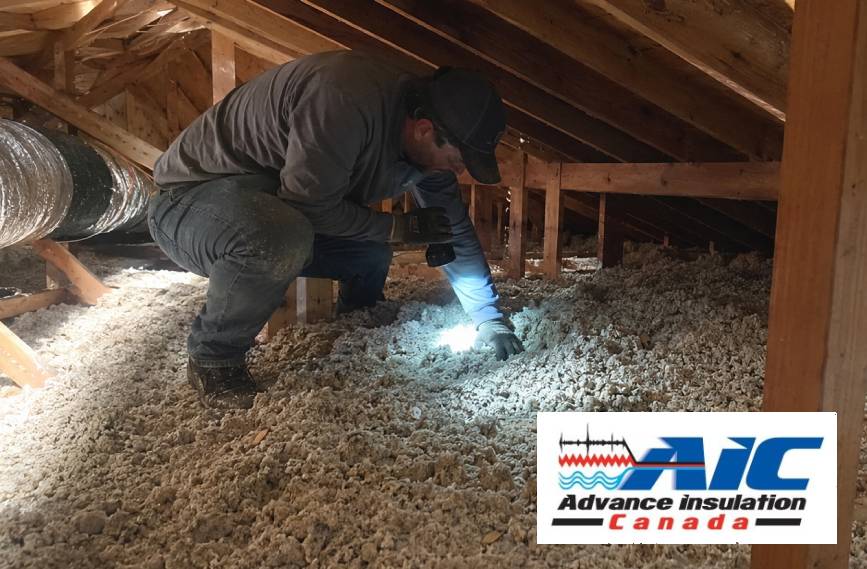
Summary: Spring is one of the best times to inspect attic insulation because winter often exposes heat loss, air leaks, ice dam risk, moisture problems, pest activity, and ventilation issues. A spring inspection gives homeowners time to fix insulation problems before summer heat makes the attic uncomfortable and before the next heating season raises energy costs again. A proper attic inspection should look beyond insulation depth and include air sealing, moisture, ventilation, roof leaks, bathroom fan venting, and signs of damaged or contaminated insulation.
Spring Reveals What Winter Did to Your Attic
Spring is a smart time to inspect attic insulation because the attic has just gone through the hardest part of the year. During winter, warm indoor air naturally tries to move upward into colder parts of the house. When attic insulation is thin, shifted, compressed, wet, or poorly air-sealed, heat can escape into the attic instead of staying in the living space.
Natural Resources Canada explains attic and roof insulation as part of a larger building system, where insulation, air sealing, vapor control, and ventilation all work together. Their guidance also points out common attic problem areas, including chimney gaps, attic hatches, plumbing penetrations, exhaust fans, and places where air leakage can carry warm, moist air into the attic.
Spring gives you clues you might miss in July. Uneven snow melt, icicles, winter drafts, cold bedrooms, high heating bills, ceiling stains, and musty smells can all point back to the attic. Once the snow is gone and temperatures are more comfortable, a homeowner or insulation contractor can inspect the space with a clearer picture of what winter exposed.
Warmer Weather Makes Attic Inspections Easier and Safer
Attics can be unpleasant and risky to inspect during deep winter or high summer. In winter, attic spaces can be cold, slippery near access points, and harder to assess if roof conditions are poor. In summer, attic temperatures can become extremely uncomfortable, especially in homes with poor ventilation or dark roofing.
Spring offers a more practical inspection window. The attic is usually easier to access, roofers and insulation contractors can often work more comfortably, and homeowners can address problems before peak cooling season. Better working conditions can also make the inspection more thorough because there is less pressure to rush through the space.
Canadian Condominium Institute guidance on attic inspections notes several important areas to evaluate, including moisture activity, ice-damming potential, insulation condition, ventilation, pest evidence, bathroom vent termination problems, air-barrier concerns, wiring anomalies, and fire-safety issues. A complete attic inspection is not just a glance at fluffy insulation. It is a review of the whole attic environment.
Moisture Problems Are Easier to Spot After Winter
Winter can leave behind moisture problems in the attic, especially when warm indoor air leaks into a cold attic. Once that warm air meets cold roof sheathing or framing, condensation can form. Over time, moisture can affect insulation performance, create stains, contribute to wood deterioration, and support mould growth.
The EPA’s mould guidance explains that moisture control is the key to preventing mould growth in homes. EPA guidance also notes that mould spores cannot be fully eliminated indoors. Hence, controlling moisture is the practical way to limit mould problems.
Spring is useful because moisture marks may still be visible from winter. Frost may have melted, but darkened roof sheathing, damp insulation, rusty nails, musty smells, or stained drywall can still tell a story. Wet insulation should never be ignored because many insulation materials lose performance when damp, and moisture can hide beneath the surface.
A proper spring attic inspection should look for roof leaks, condensation, blocked vents, bathroom fans venting into the attic, and air leakage from the living space below. Fixing only one part of the problem may not solve the problem at its source. For example, adding more insulation over an air leak can mask the problem rather than fix it.
Spring Helps You Catch Ice Dam Risk Before Next Winter
Ice dams are often thought of as a winter problem, but spring is one of the best times to investigate why they happen. Ice dams can form when heat escapes into the attic, warms the roof deck, melts snow, and allows water to refreeze near colder eaves. Attic insulation, air sealing, and ventilation all help reduce the conditions that lead to ice damming.
ENERGY STAR notes that attic air sealing, when combined with attic insulation, can help reduce ice dam formation. Their attic guidance also emphasizes that contractors should seal air leaks in the attic floor before adding insulation, because air sealing first helps insulation perform properly.
Spring gives homeowners a chance to connect the dots. If icicles form in winter, snow melts quickly in certain roof areas, or water stains appear near exterior walls, the attic deserves attention. An inspection can check insulation coverage near eaves, soffit vent baffles, attic hatch sealing, recessed light areas, plumbing stacks, and other spots where warm air may escape.
Waiting until the first cold snap next winter can leave too little time. Spring repairs give the attic system months to dry, stabilize, and perform before snow returns.
Insulation Levels Can Be Checked Before Cooling Season
Many homeowners only think about attic insulation during winter, but the attic also affects summer comfort. Poor insulation allows heat from the attic to move down into bedrooms and upper floors. As a result, air conditioners may run longer, rooms may feel uneven, and second floors may become uncomfortable.
ENERGY STAR’s DIY sealing and insulating guidance encourages homeowners to check attic insulation levels, find hidden air leaks, and make safety-conscious improvements that can reduce energy bills and improve comfort.
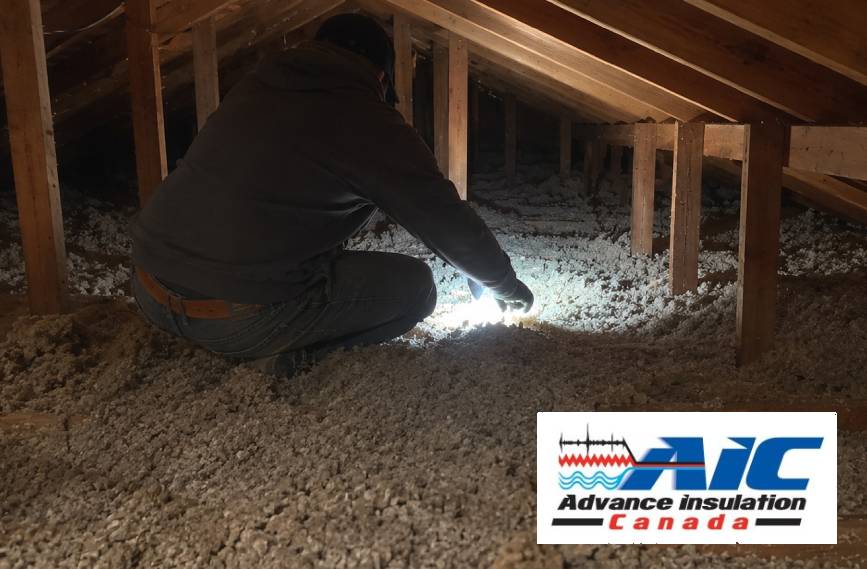
Spring is the right time to check insulation depth and coverage before hot weather arrives. Insulation may look fine from the hatch, but a deeper inspection may reveal low areas, wind washing near soffits, compressed batts, disturbed sections from past trades, animal damage, or old insulation that falls below today’s performance expectations.
A contractor can also identify the type of insulation already in the attic, estimate its effective R-value, and explain where top-ups may be needed. More insulation is not always the first step. Air sealing, ventilation baffles, and moisture corrections often need attention before new blown insulation is added.
Spring Is a Good Time to Find Pest or Animal Damage
Attics can attract mice, squirrels, birds, raccoons, insects, and other pests. Winter may drive animals indoors, and spring can reveal the evidence they left behind. Disturbed insulation, tunneling, droppings, nesting material, chewed wires, damaged vents, or unpleasant smells can all suggest pest activity.
Pest damage matters because insulation depends on the loft and coverage. When animals tunnel through loose-fill insulation or compress batts, the attic develops weak spots. Contamination can also create health and cleanup concerns, especially when droppings are present.
CMHC’s attic moisture and ice dam material warns homeowners not to disturb significant amounts of animal droppings from bats or birds because they can involve health risks and require proper protection for cleanup. The same CMHC material also warns that loose-fill vermiculite insulation may contain asbestos and should not be disturbed without professional guidance.
Spring is helpful because entry points may be easier to find around rooflines, vents, soffits, fascia, and attic openings. Before topping up insulation, homeowners should deal with pest access, cleanup, and contaminated materials. Installing fresh insulation over damaged or soiled insulation can trap problems rather than solve them.
Ventilation and Air Sealing Can Be Reviewed Together
Attic insulation works best when paired with proper air sealing and ventilation. Air sealing helps stop warm, moist indoor air from leaking upward. Ventilation helps the attic manage temperature and moisture by allowing outdoor air movement through the roof assembly.
Natural Resources Canada notes that an airtight ceiling reduces the likelihood of moisture in the attic, while building codes still require a minimum level of attic ventilation. In simple terms, homeowners should not treat ventilation as a substitute for air sealing, as both are important.
Spring inspections are ideal because the attic may show signs of both winter and early warm weather. An insulation contractor can check if soffit vents are blocked, if baffles are missing, if bathroom fans vent outdoors, if the attic hatch is sealed, and if insulation is pulled back from important ventilation paths.
ENERGY STAR also notes that project estimates should include insulation baffles, also called rafter vents, so that soffit vents are not blocked when insulation is added.
A balanced attic system should keep insulation where it belongs, seal air leaks, keep vents open, and manage moisture. Spring gives enough time to correct weak points before the attic faces summer heat and winter cold again.
Spring Gives Homeowners Time to Plan Repairs Properly
A spring attic inspection gives homeowners the time to make smart decisions rather than rushed ones. If the attic needs air sealing, baffles, bath fan correction, pest cleanup, mould assessment, insulation removal, or an insulation top-up, each step can be planned in the right order.
Order matters. Air sealing should usually happen before adding new insulation. Moisture sources should be corrected before covering the attic floor. Pest issues should be addressed before new material is introduced. Bathroom fans should vent outside, not into the attic. Safety concerns should be addressed before anyone disturbs old or questionable insulation.
| What You Find | What It May Mean | What to Do Next | Best Timing |
|---|---|---|---|
| Damp insulation | Moisture or roof leak | Fix the source first | Before adding insulation |
| Air leaks | Heat loss and drafts | Seal gaps | Before topping up |
| Blocked vents | Poor attic airflow | Clear vents or add baffles | During inspection |
| Pest damage | Contaminated insulation | Clean and repair first | Before new insulation |
Spring also gives homeowners time to compare estimates, ask questions, and understand the scope of work. A good insulation inspection should explain what was found, why it matters, and what should happen next. The best outcome is not simply “add more insulation.” The best outcome is an attic that supports comfort, energy efficiency, moisture control, and long-term home protection.
The Advance Insulation Canada Invitation
If you are ready to understand what winter left behind in your attic, Advance Insulation Canada can inspect your attic insulation and help you decide the right next step for your home. Contact the team to ask about attic insulation, insulation upgrades, air sealing, and related solutions for a more comfortable and efficient home. Call 1-855-531-3626 today to get started.