Summary: An insulation top-up can improve comfort when the existing material is clean, dry, stable, and simply below the level the home needs. It is not the right first step when the attic has moisture, pests, air leaks, blocked ventilation, or contaminated insulation. End-of-summer timing gives homeowners a chance to separate simple depth problems from issues that need correction before fall.
A planned insulation top-up is most useful when the existing attic or ceiling insulation is still in good condition. Late August is a practical time to decide because summer comfort problems are fresh and there is still time to prepare before heating demand rises.
Top-Up Is Not the Same as Replacement
A top-up adds material over acceptable existing insulation. Replacement removes unsuitable material first, which may be necessary if insulation is wet, contaminated, compressed, or disturbed by pests. The distinction matters because covering damaged material can hide the real problem.
A contractor should explain why the existing insulation can stay. If the answer is only that adding more is cheaper, the inspection has not gone deep enough.
How Summer Symptoms Guide the Decision
Rooms that stayed hot, an air conditioner that ran constantly, or ceilings that felt warm can all suggest insufficient attic performance. The article on whether an attic needs more insulation before summer covers similar symptoms from the cooling side.
By late August, homeowners can compare those symptoms against attic evidence. If the insulation is clean but shallow, a top-up may make sense. If stains, odours, or blocked airflow are present, other repairs come first.
Top-Up Decision Guide
| Condition | Top-Up Fit | Why It Matters | Better First Step |
|---|---|---|---|
| Clean, even, shallow insulation | Often suitable | Depth is the main gap | Measure and add compatible material |
| Damp or stained material | Poor fit | Moisture can worsen unseen | Find leak or ventilation issue |
| Open ceiling penetrations | Not yet | Air bypasses insulation | Air seal before adding depth |
| Blocked soffit areas | Risky | Ventilation path may fail | Install or correct baffles |
The best top-up projects are boring in the best way: clean existing material, clear access, obvious depth gap, and no hidden moisture story.
Material Compatibility Matters
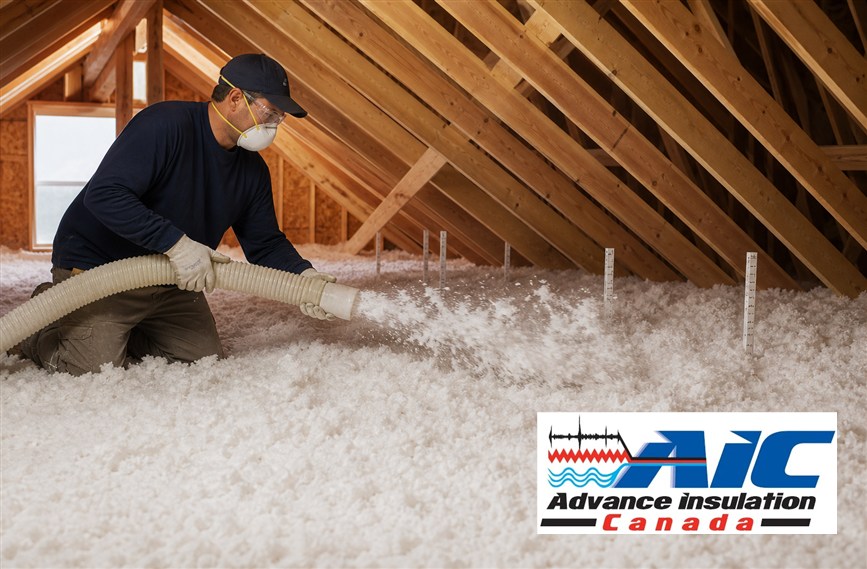
Loose-fill insulation can work well over many existing attic materials when installed correctly, but compatibility should still be checked. Weight, ventilation, air movement, and access all influence the recommendation. Batts placed carelessly over loose fill can leave voids or create uneven coverage.
The comparison of blown-in insulation and batts in BC can help homeowners understand why installation quality matters as much as product name.
Air Sealing Should Not Be Buried
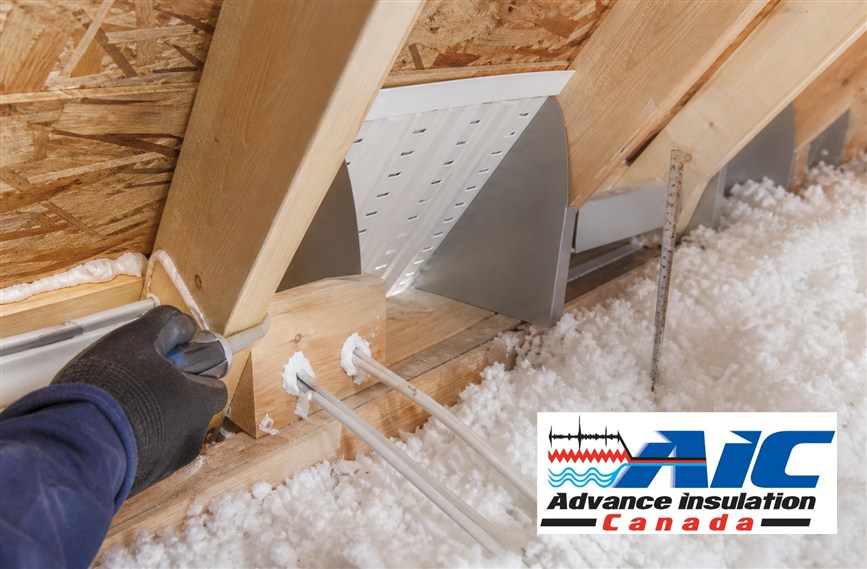
Once new insulation is installed, many ceiling-plane leaks become harder to reach. That is why attic hatches, plumbing penetrations, wiring holes, and top plates should be checked before a top-up. The sequence is simple: fix the pathways, protect ventilation, then add insulation.
Skipping this order can reduce the value of the project. More insulation is less helpful when conditioned air can travel around it through unsealed openings.
When End-of-Summer Timing Helps
Late August is early enough to book work before fall demand rises, but late enough to understand how the home performed during heat. It also gives homeowners time to collect rebate documentation if a program applies and to coordinate insulation work with roof, electrical, or ventilation repairs.
Waiting until a cold spell may compress the decision. A calm inspection now can prevent rushed choices later.
What a Clear Quote Should Include
The quote should identify approximate existing depth, target improvement, material type, ventilation details, air-sealing scope, access requirements, and whether any existing insulation will be moved or removed. It should also state what is excluded, such as roof repairs or pest remediation.
Clear scope is the difference between a top-up and a guess. Homeowners should understand what condition the attic must be in before the new material is installed.
A useful proposal should also name the areas that will not be touched. For example, a top-up may not include roof repair, bath fan rerouting, pest remediation, or removal of old insulation unless those items are listed. Clear exclusions prevent disappointment after the crew arrives.
If rebate documentation is part of the decision, homeowners should ask what photos, invoices, product details, or pre-work records may be needed before the job starts. Program details can change, but careful records are always easier to collect before the attic is covered with fresh material.
Do not treat depth as the only measure of success. The finished attic should preserve ventilation paths, cover the ceiling plane evenly, avoid burying hazards, and leave access points understandable for future service.
Readers checking the local business can use the verified insulation top up listing on Google Maps. The more important project question is whether the existing material is dry, clean, and suitable to remain.
A top-up quote should include the target areas and the approximate final level, not just a total price. Homeowners should understand whether the crew will even out thin spots, protect soffit ventilation, build dams around hatches or fixtures, and restore any displaced material after air sealing.
Compatibility with existing insulation is a real field question. Some attics contain mixed materials from previous upgrades, and installers need to understand how the new product will sit, settle, and perform over time. A quick visual glance from the hatch is rarely enough for a confident recommendation.
End-of-summer scheduling can also reduce disruption. Work can often be planned before holiday travel, fall storms, or heating-season demand compress contractor availability. That timing does not make every attic ready, but it gives homeowners more control over the decision.
After a top-up, homeowners should keep attic access clear and avoid storing items directly on the insulation. Future service work should use defined walkways where available. Protecting the finished surface helps preserve the value of the project.
The installer should also explain what normal settling looks like and when a follow-up concern is worth raising. Loose-fill products can settle, but obvious bare patches, blocked vents, or displaced material after another trade visit should be corrected. The final attic should remain understandable, not mysterious.
Homeowners should ask for before-and-after photos when possible. Images of air-sealing points, ventilation baffles, and finished insulation coverage make it easier to confirm what was completed and to brief future trades who enter the attic.
If the attic has safe access, mark any known problem areas before the appointment rather than relying on memory. Mention past roof leaks, bathroom fan repairs, electrical work, or pest activity. These details help the installer decide whether a simple top-up is enough.
The Advance Insulation Canada Invitation
Advance Insulation Canada can determine whether an insulation top up is the right end-of-summer move or whether repairs should happen first. Call 1-855-531-3626 for a free quote that starts with the condition of the existing insulation.