
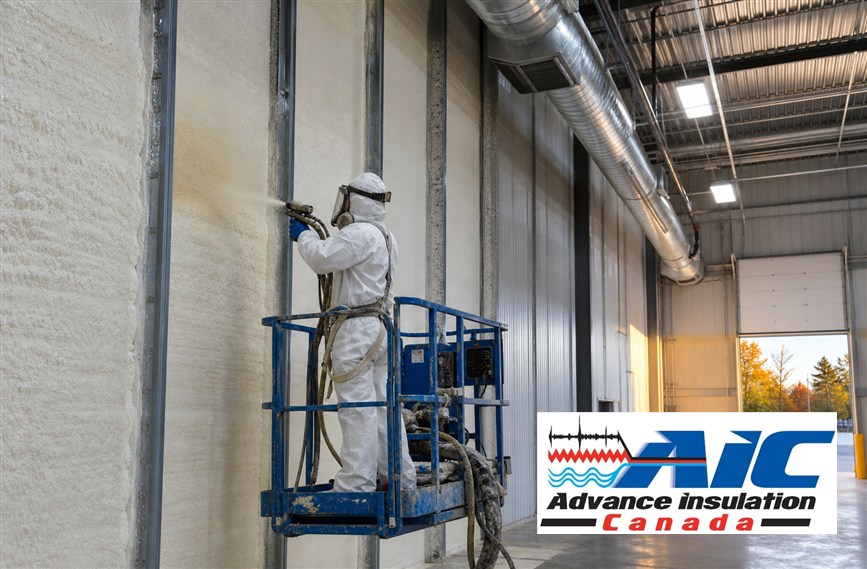
Summary: Commercial spray foam planning should begin before winter energy costs expose weak rooflines, wall joints, and air leaks, with scopes accounting for building use, schedules, fire protection, access, and moisture. September gives owners time to inspect, budget, and schedule envelope improvements before heating demand peaks.
Commercial spray foam can help suitable buildings reduce air leakage and improve envelope continuity before winter. September is a planning month: facilities can still coordinate access, safety, shutdown windows, and procurement before cold weather adds urgency.
Start With Operating Reality
A warehouse, shop, strata building, office, and industrial space use energy differently. Door cycles, exhaust systems, internal heat, production hours, and tenant needs all influence the value of insulation work. The inspection should begin with how the building actually runs.
This prevents a one-size-fits-all recommendation. A loading area with constant door movement needs a different strategy than a quiet conditioned office.
Look for Heat-Loss Pathways
Metal panels, roof-to-wall transitions, uninsulated rim areas, overhead doors, service penetrations, and mezzanine edges can all leak heat. Some of these same areas also affected summer cooling, which is why the recent article on commercial insulation and summer cooling demand is a useful companion.
Winter planning asks which of those weaknesses will matter most once heating becomes the dominant load.
Commercial Planning Reference
| Planning Area | Owner Question | Why It Matters | Record Needed |
|---|---|---|---|
| Access | Can crews reach the work? | Lifts and clearances affect cost | Photos and ceiling heights |
| Operations | When can areas be isolated? | Safety and downtime planning | Shift and tenant schedules |
| Substrate | Is the surface clean and dry? | Adhesion depends on prep | Moisture and condition notes |
| Fire protection | What covering is required? | Code compliance | Product and assembly details |
This table keeps the discussion tied to execution. Commercial insulation planning fails when the quote ignores access, operations, and code requirements.
Spray Foam Versus Other Materials
Spray foam may be valuable where air sealing and insulation need to happen together, especially around irregular details. Other materials may be appropriate for open cavities, removable systems, or assemblies requiring different drying behaviour. Product selection should follow the building conditions.
The comparison of spray foam and fiberglass for commercial buildings gives additional context for this decision.
Safety Documentation Is Part of the Job
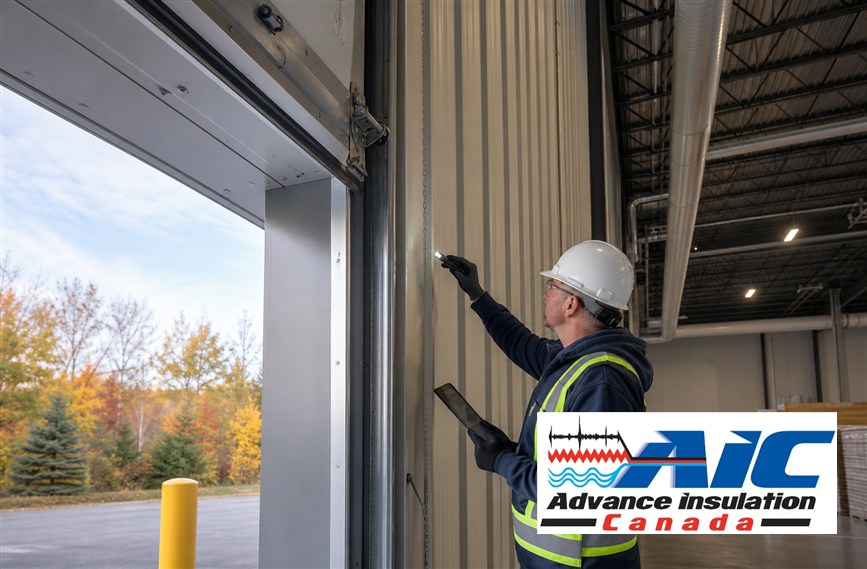
Commercial projects should define ventilation, isolation, re-entry timing, personal protective equipment, substrate preparation, and protection for inventory or equipment. Safety data and product documentation should be available before work begins.
A professional scope also identifies thermal or ignition barrier requirements where applicable. This should not be left as an afterthought.
Schedule Before Emergency Season
Winter weather can make access, curing conditions, and scheduling more difficult. September planning allows owners to align insulation with roofing, mechanical service, tenant improvements, or maintenance shutdowns. It also gives time for budget review and approvals.
A planned project usually produces better documentation than a rushed repair after complaints spike.
How to Measure the Result
Owners can track comfort complaints, temperature differences, HVAC runtime, and utility data before and after work. These records are not perfect, but they help confirm whether the envelope improvement is supporting operations.
Future maintenance should also protect the insulation boundary. New penetrations, roof leaks, and impact damage can compromise good work over time.
A practical owner meeting should include the facility manager, anyone responsible for safety, and the person who understands daily operations. The insulation contractor needs to know where lifts can travel, when areas are occupied, and what equipment cannot be exposed to dust or overspray.
Commercial scopes should also identify what happens if hidden corrosion, moisture, or damaged substrates are found. Stopping to correct a substrate problem is better than installing foam over a surface that cannot support it.
For tenant spaces, communication matters. Notice periods, odour expectations, re-entry instructions, and temporary access changes should be planned before crews arrive. Good logistics protect both the project and the people using the building.
The verified commercial spray foam insulation listing on Google Maps provides business confirmation for local searchers. The project itself should be scoped from the building’s actual operating conditions.
Commercial buildings often have decision layers that residential projects do not. Owners, tenants, safety staff, maintenance teams, and operations managers may all need input before work begins. Gathering that input in September can prevent rushed compromises later.
The scope should describe protection for inventory, vehicles, machinery, and finished surfaces. Overspray, dust, odour, and temporary access restrictions are manageable when planned; they become expensive when discovered during the job.
If the building has repeated roof leaks or condensation history, those issues should be investigated before foam is installed. Substrate condition affects adhesion and durability, and hidden moisture can undermine the value of an otherwise strong product.
The best commercial proposals connect insulation work to operational goals: fewer comfort complaints, better temperature stability, reduced leakage at specific areas, or protection of conditioned zones. That kind of scope is easier to approve than a vague promise of efficiency.
Owners should also decide how success will be reviewed. A post-project walkthrough, photo record, thickness documentation, and notes about any inaccessible areas can help maintenance teams protect the work. Without closeout records, later roof, electrical, or mechanical changes can accidentally undo the envelope improvement.
Budget timing matters too. September planning may allow a building owner to compare phased work, priority zones, and coordination with other capital projects. That is far better than waiting until winter complaints force a rushed decision with less operational flexibility.
If the building has sensitive tenants or production areas, ask whether mockups or small test areas make sense before full installation. A test area can confirm access, substrate preparation, protection methods, and communication needs before the larger project begins.
For larger facilities, phased work can be a strength rather than a compromise. Starting with the most exposed or complaint-heavy zones allows the owner to learn from the first stage before committing to the next area, especially when operations cannot pause everywhere at once.
A good commercial proposal should also say how the building will be left at the end of each work period. Temporary protection, cleanup, signage, and access restoration matter when staff or tenants return the next day. These details can decide whether a technically sound project feels professional in practice. They also make it easier for managers to communicate expectations before work begins.
The Advance Insulation Canada Invitation
Advance Insulation Canada can help owners plan commercial spray foam insulation before winter energy costs rise. Call 1-855-531-3626 for a free quote that accounts for access, safety, and building operations.