
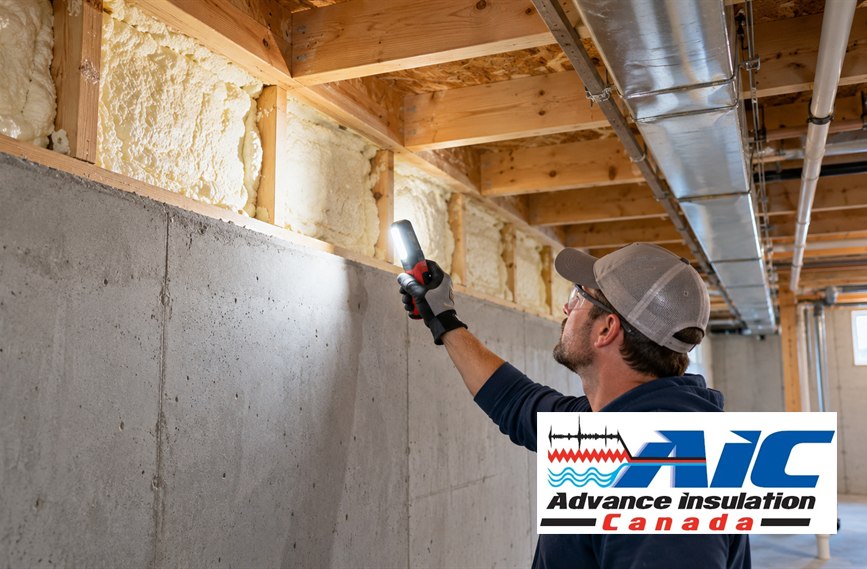
Summary: Rim joist insulation can reduce cold drafts where floor framing meets the foundation, especially as November weather pushes more heat through basement and crawl-space edges. Closed-cell spray foam is often considered because it can insulate and air seal irregular rim areas in one step.
A focused look at rim joist insulation helps homeowners understand whether cold floor edges are coming from air leaks, thin insulation, moisture, or blocked access.
Rim Joists Are Small Areas With Big Comfort Impact
The rim joist sits where the floor system meets the exterior wall or foundation. It is not a large surface compared with an attic, but gaps, penetrations, and thin insulation at this edge can make floors feel cold.
November is a useful time to look at rim joists because the temperature difference between indoors and outdoors becomes easier to feel. Drafts at basement ceilings, crawl-space edges, and exterior wall floors often become more obvious.
Because the area is small, it is tempting to treat it as a minor detail. In practice, a leaky rim can create a noticeable comfort complaint in the rooms directly above or beside it.
Why Closed Cell Foam Comes Up In This Conversation
Closed-cell foam is often discussed for rim joists because it can fit irregular framing and reduce air leakage at the same time. The closed cell insulation service path makes sense when the goal is a tighter, more durable edge detail.
That does not mean every rim area automatically gets the same thickness or treatment. Moisture conditions, access, code requirements, and surrounding materials should be reviewed before the work is specified.
Closed-cell foam should still be selected for a reason. The contractor should explain why it fits the rim condition, not simply use it as the default answer for every basement edge.
Rim Joist Planning Guide
| Observation | Possible Cause | Why It Matters | Contractor Question |
|---|---|---|---|
| Cold floor edge | Leaky rim joist | Comfort loss | Can this area be air sealed? |
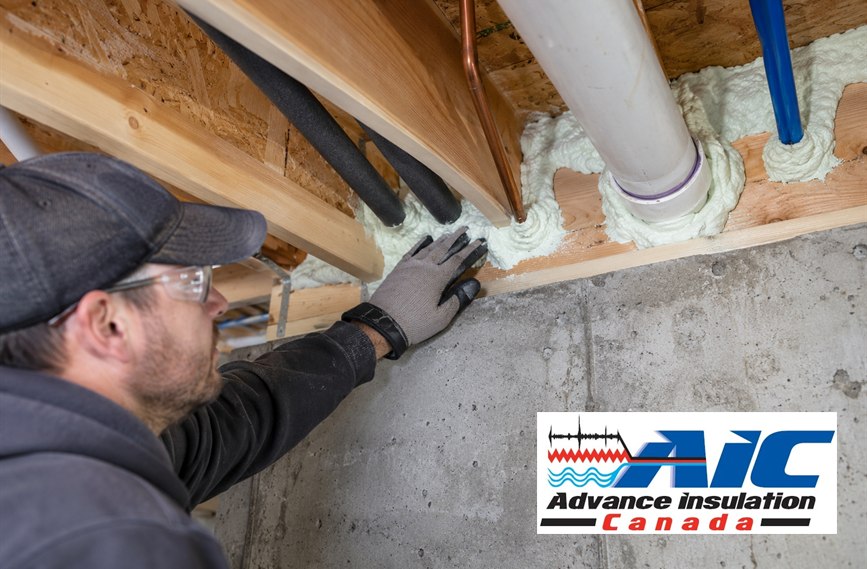
| Open plumbing holes | Unsealed penetrations | Draft path | How will gaps be handled? |
| Damp wood | Moisture issue | Durability concern | What must dry or be repaired first? |
| Old batt pieces | Poor fit | Air can bypass material | Should material be removed? |
This table helps homeowners look past the product name. The correct rim joist plan starts with what is happening at the edge, then chooses the material and sequence.
The table helps homeowners ask about conditions that can be seen before work starts. A good recommendation should identify the cause of the cold edge and the limits of access.
Do Not Trap A Moisture Problem
If the rim area shows staining, dampness, insect evidence, or musty odours, those clues should be investigated before foam is applied. Insulation should support the building assembly, not conceal an active problem.
That is especially important in crawl spaces and older basements where drainage, grade, ventilation, or previous repairs may affect moisture. A good contractor should be willing to pause and explain the risk.
Moisture investigation is especially important near exterior grading, decks, hose bibs, and older foundation details. Those areas can show signs that should be repaired before insulation hides them.
Air Sealing Is The Quiet Benefit
Homeowners often think of insulation as a thermal blanket, but rim joists also need air control. A small gap at the rim can move enough air to make a basement or main-floor edge feel persistently cold.
The verified rim joist insulation listing on Google Maps helps readers confirm the business while they compare options. The useful comparison is not just R-value, but how well the work controls air leakage at awkward framing.
Air sealing is also why small projects can matter. A compact rim-joist scope may improve comfort more than its square footage suggests when the primary issue is leakage.
Access Can Shape The Scope
Finished basement ceilings, mechanical rooms, storage areas, and crawl-space clearances can all affect how much of the rim joist can be reached. The quote should identify accessible areas and any limitations before the homeowner expects a whole-house result.
If some sections are blocked by finished walls or utilities, the contractor should explain whether partial work still provides value. Clear scope protects both the budget and the expectations.
Clear access notes protect expectations. If only half the rim joist is reachable because of finished ceilings or mechanical equipment, the quote should not imply a complete perimeter treatment.
Prepare The Basement Or Crawl Space
Move stored items away from exterior walls, note known leaks or odours, and point out plumbing, wiring, or pest history. These details help the contractor focus on the rim joist instead of spending the visit reconstructing the building history.
For crawl spaces, safe access and moisture conditions matter even more. The best November rim joist project begins with a work area that can be inspected and treated responsibly.
Preparation is modest but helpful. Moving boxes, identifying damp smells, and pointing out past leaks can save time and make the inspection more accurate.
Rim joist work is often hidden after it is finished, so the explanation before work matters. Homeowners should understand which bays will be treated, whether old material will be removed, and how plumbing, wiring, or mechanical penetrations will be handled. That clarity prevents a small project from becoming a mystery repair.
It is also worth asking how the rim joist connects to the rest of the basement or crawl-space plan. If the floor above is cold because of both rim leakage and an uninsulated crawl space, rim foam alone may help but not solve the whole complaint. The contractor should be able to separate the edge problem from the broader enclosure issue.
A November rim-joist project can be especially useful when the homeowner already knows which rooms feel cold. By tying the complaint to a specific wall, corner, or basement area, the inspection can focus on likely leakage paths. That is more productive than treating every cold floor as the same problem.
Because rim joists sit at the edge of the structure, the work can also reveal patterns elsewhere. A cold corner may relate to exterior grading, a deck ledger, a cantilever, or an older addition rather than a simple missing-insulation bay. A careful assessment leaves room for those discoveries. The goal is a targeted repair that improves the actual weak point instead of applying foam to the most convenient area and hoping the comfort complaint disappears.
For more material context, homeowners can compare closed-cell and open-cell spray foam and review the 2 lb closed-cell foam explanation.
The Advance Insulation Canada Invitation
When cold floors point back to the building edge, Advance Insulation Canada can assess rim joist insulation with closed-cell spray foam as one possible solution. Call 1-855-531-3626 for a free quote that looks at drafts, access, and moisture before freezing weather settles in.