
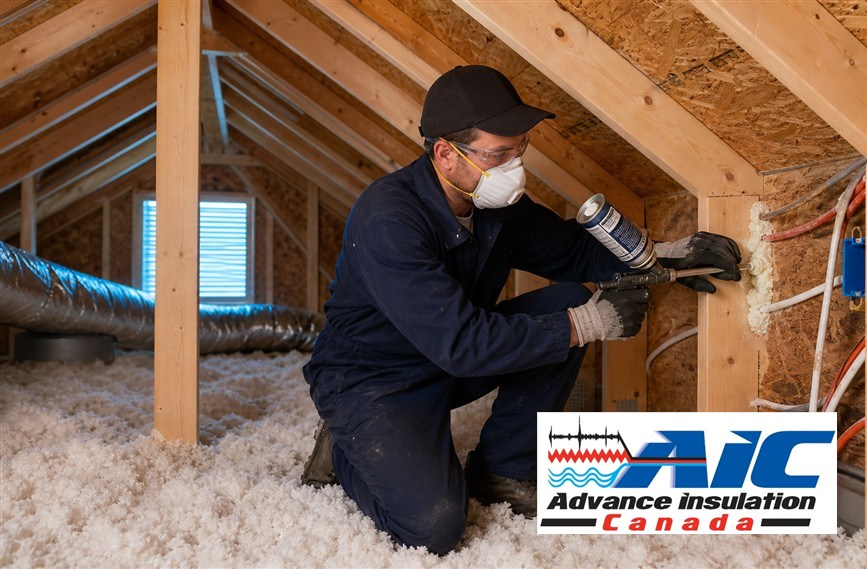
Summary: Air sealing closes hidden gaps that let cooled air escape and warm outdoor air enter during summer, while insulation slows heat transfer through walls and ceilings. Combining both lets an air conditioner hold a steadier temperature with less unnecessary runtime, and a professional assessment can pinpoint leaks throughout the building envelope.
Effective spray foam insulation can add thermal resistance and control air movement in suitable assemblies, helping your cooling system keep conditioned air where it belongs. Insulation slows heat transfer, but the best results come when installers also address the cracks and openings that allow air to bypass the insulation.
Why Cool Air Escapes Even When Insulation Is Present
A house is not a sealed box. Plumbing stacks, electrical wiring, recessed fixtures, attic hatches, wall plates, duct chases, and framing connections can leave many small pathways between conditioned rooms and unconditioned spaces. Each opening may look minor, but together they can create a meaningful amount of air leakage.
During hot weather, pressure differences and operating exhaust fans can pull outdoor air into the building while cooled air escapes elsewhere. This movement can make rooms feel humid or uneven and can cause an air conditioner to run longer. Fibrous insulation may still provide useful thermal resistance, but it does not automatically stop air from moving through every crack around it.
Air Sealing and Insulation Perform Different Jobs
Insulation resists conductive heat flow through ceilings, walls, and floors. Air sealing controls the movement of air through holes and joints. A comfortable, efficient building envelope generally needs both functions, because a high insulation level can be undermined by gaps that allow conditioned air to travel around the material.
Different locations require different materials and installation methods. Caulk, gaskets, weatherstripping, rigid blocking, and one- or two-component foams may be appropriate for small details, while professionally installed spray foam can insulate and form an air barrier in compatible larger assemblies. Material choice should account for moisture, fire protection, ventilation, and access.
Where Summer Air Leaks Commonly Hide
The attic is often a priority because ceiling penetrations connect cooled rooms with a space that becomes extremely hot in the sun. Common leak points include the attic hatch, bath fan housings, wiring holes, partition-wall top plates, plumbing penetrations, and gaps around chimneys or flues. Combustion and heat-producing components require approved clearances and materials rather than ordinary foam.
Leaks also occur at basement and crawl-space rim joists, sill plates, service entries, poorly sealed ducts, window and door frames, and transitions between additions and the original structure. A trained installer looks for connected pathways instead of treating only the most visible crack.
| Area | Common Leak Points |
|---|---|
| Attic | Hatch, bath fan housings, wiring holes |
| Attic | Top plates, plumbing, chimneys or flues |
| Basement/Crawl space | Rim joists, sill plates, service entries |
| Ducts | Poorly sealed connections |
| Windows/Doors | Frames and transitions |
| Additions | Joints with original structure |
Signs Your Building Envelope May Be Leaking
An air conditioner that runs for long periods can have many causes, including equipment, duct, thermostat, or maintenance problems. However, persistent drafts, rooms that warm quickly after the system shuts off, hot upper floors, dusty insulation near penetrations, and noticeable humidity changes can point toward envelope leakage.
Utility bills alone do not diagnose the issue, but a year-over-year increase without a clear change in weather or usage deserves investigation. The recent article about why upstairs rooms get too hot explains how attic heat and uneven protection can affect the top floor.
How Professionals Find and Prioritize Leaks
A useful inspection starts with the building layout, insulation type, ventilation, moisture conditions, mechanical equipment, and areas where occupants notice discomfort. Visual evidence can reveal displaced insulation, open chases, stained materials, or incomplete seals. Infrared imaging may help identify temperature patterns when indoor and outdoor conditions create enough contrast.
Blower-door testing, when appropriate, measures overall leakage and can make hidden air pathways easier to locate. The goal is not to seal blindly. A professional plan protects indoor air quality, preserves required ventilation, avoids trapping moisture, and ensures fuel-burning appliances have safe combustion air.
Testing can also establish a useful baseline. When substantial work is completed, a follow-up measurement may show whether leakage was reduced and whether unexpected pathways remain. Occupant observations still matter, because a numerical improvement should be considered alongside room temperatures, humidity, odours, and the way the cooling system operates.
Not every leak deserves the same priority. An opening that connects directly from a conditioned ceiling to a hot attic can matter more than a small crack between two interior rooms. Installers also consider accessibility and durability so the selected seal remains intact when materials expand, contract, or are disturbed by future maintenance.
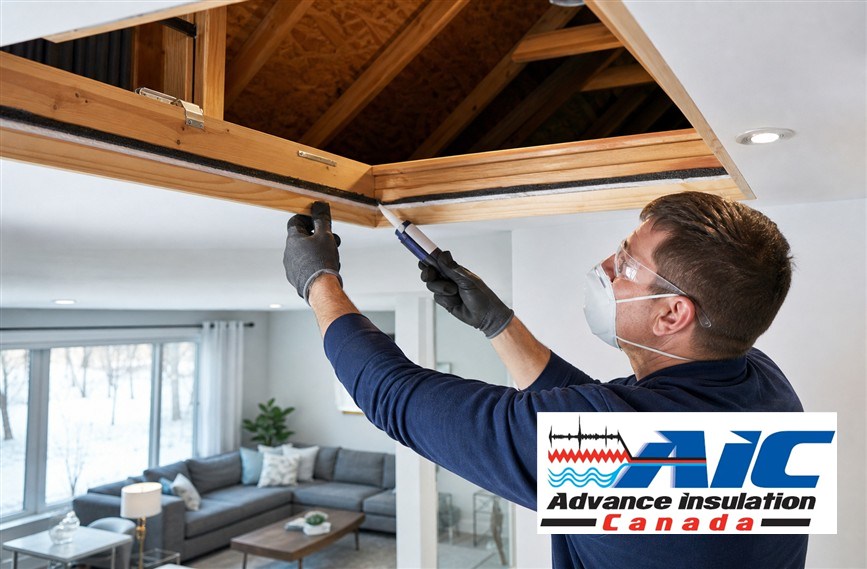
What Better Air Sealing Can Do for Air Conditioning
Reducing uncontrolled leakage lowers the amount of hot, often humid outdoor air that the cooling system must condition. Rooms can hold their set temperature longer, temperature differences may become less severe, and the system may cycle more normally. Results depend on the original condition of the home, the quality of the work, equipment sizing, ducts, windows, shading, and occupant habits.
Air sealing is not a substitute for HVAC service. If equipment is malfunctioning, refrigerant is low, filters are blocked, or ducts are disconnected, those problems need qualified attention. Envelope improvements and mechanical maintenance work best as complementary parts of a comfort plan.
Homeowners can support the upgrade by using blinds or exterior shading during peak sun, keeping supply and return registers clear, and avoiding large thermostat setbacks that force long recovery cycles. These actions do not replace envelope work, but they help the building and mechanical system operate as intended.
Planning an Air-Sealing and Insulation Upgrade
Start with the largest connected leaks and the assemblies exposed to the greatest temperature differences. Attic penetrations, hatches, rim joists, and accessible service openings often offer practical opportunities. Existing insulation should also be checked for moisture, contamination, compression, and missing coverage before more material is installed.
A written scope should identify which areas will be sealed, what materials will be used, and how recessed lights, chimneys, wiring, bath fans, and ventilation will be handled. It should also explain whether existing insulation must be moved, removed, or restored after the work. Clear documentation makes the finished result easier to inspect and maintain.
Timing can matter in occupied homes. Attic work is often easier before the hottest part of the day, and spray-applied products may require temporary ventilation or restricted access while they cure. A contractor should explain preparation, expected odour, re-entry guidance, cleanup, and any follow-up inspection before the project begins.
Advance Insulation Canada can assess insulation and air-control details for homes and buildings in its service areas. The verified air sealing profile on Google Maps provides location and business information for the Victoria operation.
The Advance Insulation Canada Invitation
Ask Advance Insulation Canada how professional air sealing can help keep cooled air inside your building and call 1-855-531-3626 for practical recommendations. Contact the team today for a free quote on insulation and air-sealing improvements.