Summary: Insulation removal is worth considering before winter when the existing material is wet, contaminated, compressed, pest-damaged, or hiding an air-leak problem. Removing failed material first can make the next insulation upgrade cleaner, safer, and more effective.
A condition-based plan for insulation removal helps homeowners decide whether old material should be cleared before the next layer of winter protection is installed.
Removal Is Not The Same As A Top-Up
A top-up works when the existing material is clean, dry, and stable. Removal enters the conversation when the old insulation may reduce performance, carry odours, hold moisture, or prevent crews from seeing the air leaks and damage below it.
That difference matters because Advance Insulation Canada should not simply bury a known problem under fresh material. Winter comfort depends on the condition of the layer being kept, not only the amount being added.
This distinction also protects the budget. Paying to install new insulation over material that should have been removed can lead to a second project when odour, dampness, or contamination resurfaces.
October Is A Useful Decision Point
A professional insulation removal assessment in October gives homeowners time to deal with contamination before heating season is fully underway. Waiting until rooms are already cold can compress the schedule and make the project feel like an emergency.
It also helps separate urgent removal from work that can be planned later. Not every attic needs removal, but the decision should be made from evidence rather than from a desire to avoid the extra step.
An October decision also gives time to coordinate disposal and replacement. Removal without a plan for the next layer can leave the home temporarily under-insulated as temperatures fall.
Conditions That Point Toward Removal
| Condition | What It Suggests | Winter Risk | Removal Priority |
|---|---|---|---|
| Wet or matted material | Leak or condensation history | Lower R-value and odour | High |
| Pest droppings or nesting | Contamination | Air quality and hygiene concern | High |
| Heavy dust and debris | Old or disturbed attic | Poor inspection visibility | Medium |
| Clean but shallow coverage | Depth issue only | Heat loss through ceiling | Low |
This table is not a replacement for a site assessment, but it shows why removal is condition-based. The same attic can have one area that needs removal and another area that only needs correction or top-up.
Homeowners should treat the table as a way to ask better questions. A contractor who can explain why removal is or is not needed is more useful than one who recommends the same approach in every attic.
Air Leaks Are Easier To Fix After Cleanup
Old insulation can hide the ceiling plane. Once contaminated or failed material is removed, crews can see wiring penetrations, plumbing stacks, partition tops, recessed light areas, and gaps around the hatch more clearly.
That visibility can improve the next phase. Air sealing before new insulation helps prevent warm indoor air from carrying moisture into the attic and helps the new material perform closer to its intended value.
Cleanup also creates a chance to document the attic before it is covered again. That record can be useful if future roof, electrical, or ventilation work needs to happen.
Moisture And Odour Need A Cause
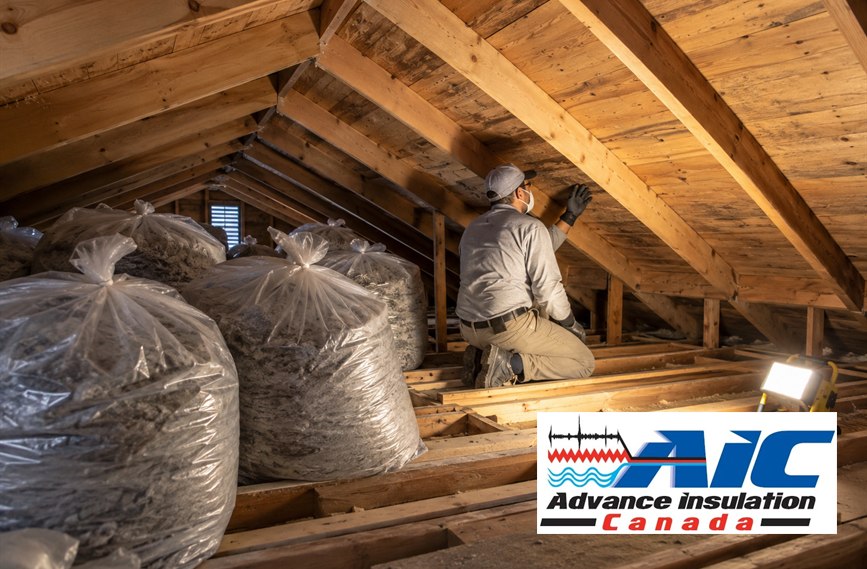
Removing damp insulation without solving the source is only half a repair. Moisture may come from roof leaks, bathroom fans that terminate in the attic, blocked ventilation, or warm interior air leaking through the ceiling plane.
Odour is similar. If the smell is from pests, wet material, or old debris, removal can be part of the cleanup, but the entry point or moisture source still needs attention before winter conditions repeat the problem.
If moisture is active, the replacement insulation should wait until the cause is understood. Otherwise, the new material may inherit the same problem that damaged the old layer.
How Removal Supports A Better Quote
A removal quote should explain disposal, access, containment, cleanup, and the plan for what happens after the attic is cleared. It should also explain whether the same visit includes air sealing, baffle correction, and new insulation or whether those steps are staged.
The verified insulation removal profile on Google Maps helps homeowners confirm the business while they compare scope, not just price. The strongest quote is the one that makes the replacement plan understandable.
Scope clarity is especially important when comparing prices. One quote may include disposal, air sealing, and re-insulation, while another may only remove material and leave the next steps separate.
Do Not Ignore Safe Access
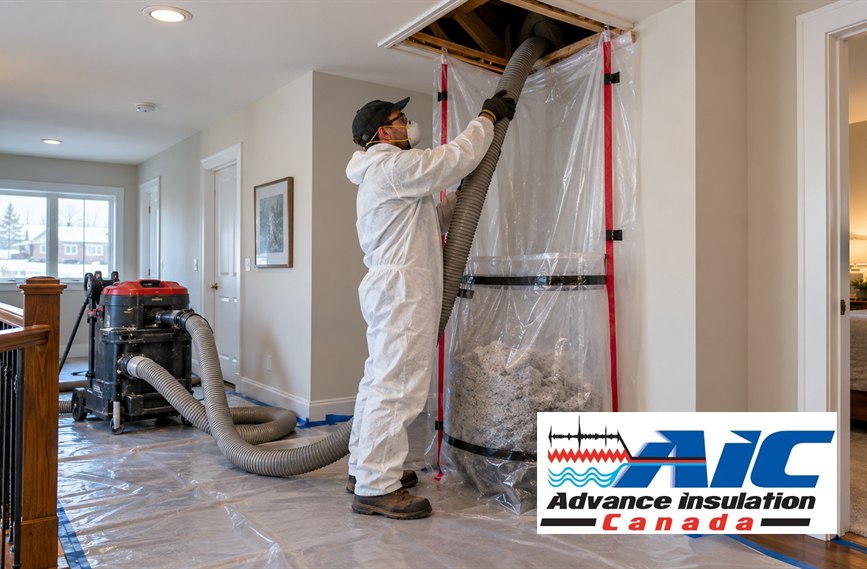
Removal work can involve dust, awkward movement, and concealed ceiling hazards. A finished home also needs protection at the access point, especially if bags, vacuums, hoses, or containment materials are passing through living space.
Homeowners can prepare by clearing access below the hatch, noting known electrical or roof issues, and keeping pets and children away from the work area. The contractor should handle the attic work with appropriate safety practices and cleanup planning.
Safe access matters because removal is more disruptive than a basic inspection. The homeowner should know how the work area will be protected and how the project will be cleaned up.
Removal can feel like a frustrating step because it is not the visible upgrade homeowners were hoping to buy. Still, it can be the step that makes the next upgrade worth doing. If failed material stays in place, the new insulation may hide contamination, trap odour, or make it harder to prove that air leaks and moisture sources were corrected.
The homeowner should ask what will happen immediately after removal. Some projects move directly into air sealing and re-insulation, while others uncover roof leaks, damaged fans, or access problems that should be addressed first. A careful contractor will explain that possibility before the project starts, so the homeowner is not surprised if the cleared attic changes the plan.
Comparing removal quotes means comparing process, not only price. Disposal method, containment, vacuum equipment, cleanup standard, air sealing scope, and replacement material all affect the result. A cheaper quote that removes material but leaves the home without a clear replacement path may not be the better value before winter.
The winter deadline also changes how homeowners should think about temporary disruption. Removal may require access protection, equipment noise, and a cleared route through the home, but postponing a necessary cleanup can mean living another season with failed material above the ceiling. If the evidence points to removal, the best question is not whether the step is inconvenient. The better question is whether the next insulation layer can perform properly without it.
For budgeting and condition clues, compare this removal decision with the attic insulation removal pricing guide and the winter insulation damage article.
The Advance Insulation Canada Invitation
If old material is wet, dirty, or damaged, Advance Insulation Canada can assess whether insulation removal should come before the winter upgrade. Call 1-855-531-3626 for a free quote that starts with what should stay, what should go, and why.