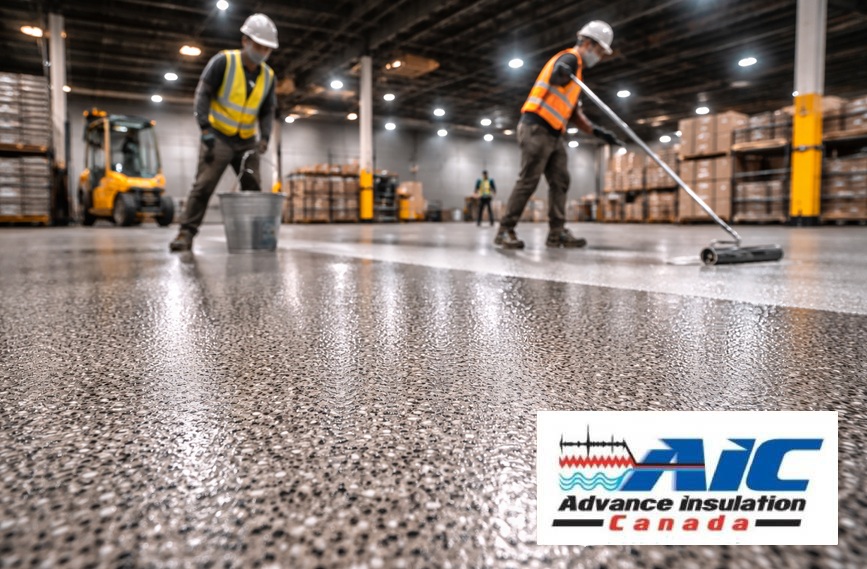
Summary: Polyurea coating is a durable protective material commonly used on concrete floors in garages, basements, and commercial spaces. It bonds tightly to concrete, resists moisture and chemicals, and can last 15 to 20 years when professionally installed. Many property owners choose polyurea coatings for their fast curing time, long lifespan, and ability to protect concrete surfaces from everyday wear.
Polyurea coating has become increasingly popular for protecting concrete floors in garages, basements, and commercial facilities. Homeowners and business owners often seek durable floor coatings that resist moisture, chemicals, and heavy traffic. Polyurea coatings provide a solution that meets those demands while offering a long service life and strong performance.
Concrete floors are constantly subjected to wear from vehicles, tools, water, and temperature changes. Over time, untreated concrete can crack, stain, or deteriorate. Protective coatings help prevent damage and extend the lifespan of the surface. Polyurea coatings stand out for their quick cure, strong bond to concrete, and excellent abrasion and chemical resistance.
Understanding how polyurea coatings work and why professionals use them can help property owners make informed decisions when planning floor protection upgrades.
What Is Polyurea Coating
Polyurea coating is a protective material formed by a chemical reaction between two components: isocyanates and synthetic resins. When these components combine, they form a highly durable elastomeric coating that bonds tightly to prepared surfaces.
This coating was originally developed for industrial environments where surfaces needed strong protection against chemicals, water exposure, and mechanical damage. Over time, the technology expanded into residential and commercial flooring applications.
Polyurea coatings are commonly applied to concrete floors to create a seamless protective barrier. Once cured, the coating forms a flexible yet durable surface that can withstand significant stress.
One key feature that separates polyurea from many other coatings is its fast curing time. In many cases, a polyurea floor coating can be ready for use within a single day.
How Polyurea Floor Coatings Work
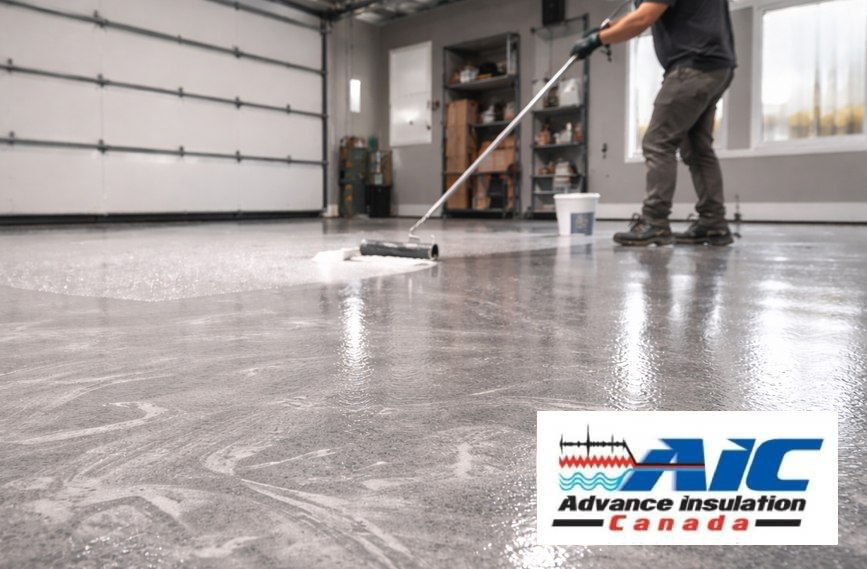
Polyurea coatings form a protective layer over the concrete surface. To learn more about the broader benefits of protective coatings, read our guide on How Polyurea Coatings Protect Your Concrete and Metal Surfaces. The coating penetrates small pores in the concrete and bonds tightly as it cures, creating a strong mechanical connection.
This bond prevents moisture from penetrating the surface while also protecting the concrete from abrasion, chemicals, and stains. The result is a floor that resists damage from daily use.
Another advantage of polyurea coatings is flexibility. Concrete naturally expands and contracts due to temperature changes. Rigid coatings may crack under these conditions, but polyurea coatings remain flexible enough to move with the concrete surface.
The finished coating typically includes several layers. These layers often include:
- A primer layer that improves adhesion
- A base coat that forms the main protective barrier
- Decorative flakes or texture for slip resistance
- A clear topcoat for durability and UV protection
Together, these layers create a floor system designed for long-term performance.
How Long Do Polyurea Floor Coatings Last
Durability is one of the main reasons people choose polyurea coatings for garage floors and other concrete surfaces. When installed correctly, a polyurea coating system can last for many years.
Most professionally installed polyurea floors can last 15 to 20 years or more, depending on traffic levels and maintenance practices. The coating resists peeling, chipping, and chemical damage better than many traditional floor coatings.
Several factors influence the lifespan of a polyurea floor system:
- Quality of surface preparation
- Thickness of the coating layers
- Environmental conditions
- Amount of traffic and wear
Professional installers typically prepare the concrete surface using specialized grinding equipment. This process removes contaminants and creates a textured surface that helps the coating bond effectively.
Proper preparation plays a major role in achieving long-lasting results.
| Factor | How It Affects Lifespan | What Helps |
|---|---|---|
| Surface Preparation | Poor preparation can lead to peeling or weak adhesion. | Concrete grinding and proper cleaning before coating. |
| Traffic Levels | Heavy vehicle or equipment use can wear the coating faster over time. | Using a high-quality topcoat and maintaining the floor. |
| Chemical Exposure | Oil, salt, and cleaners can shorten coating life if the system is low quality. | A durable polyurea system with strong chemical resistance. |
| Installation Quality | Uneven application can reduce durability and finish performance. | Professional installation with the correct coating thickness. |
How Much Does Polyurea Floor Coating Cost?
The cost of polyurea floor coating varies based on several factors, including the area size, surface condition, and design options.
In many residential garages, polyurea coatings are priced per square foot. Larger spaces may benefit from lower per-square-foot costs due to efficiency during installation.
Several elements influence the final price:
- Concrete preparation requirements
- Number of coating layers
- Decorative flake systems
- Protective topcoats
Floors that require crack repair or extensive surface preparation may require additional work before coating installation begins.
While polyurea coatings may cost more than basic paint or epoxy coatings, many property owners choose them for their durability and long service life.
How Polyurea Garage Floor Coatings Are Installed
Installing polyurea floor coatings requires a precise multi-step process to ensure proper adhesion and durability.
The first step involves preparing the concrete surface. Professionals typically grind the concrete using specialized equipment to remove dirt, oil, and weak surface layers.
Next, technicians repair cracks or surface damage to create a smooth foundation for the coating system.
After preparation, a primer is applied to help the coating bond with the concrete. The polyurea base coat is then installed, often followed by decorative vinyl flakes that add texture and visual appeal.
Finally, a clear polyurea topcoat seals the surface and provides additional protection against wear, moisture, and UV exposure.
One major advantage of polyurea coatings is their rapid curing time. Many installations can be completed in a single day, allowing homeowners to return to using their garage quickly.
DIY Polyurea Coating vs Professional Installation
Some homeowners explore do-it-yourself floor coating kits to reduce costs. While DIY coatings are available, professional installation often produces more reliable results.
Polyurea coatings cure very quickly, which requires experienced installers and specialized equipment. Professionals have the tools needed to apply the coating evenly and efficiently.
Surface preparation also plays a major role in the success of a coating system. Professional contractors use industrial grinders and vacuum systems that create the proper surface profile for adhesion.
DIY kits may rely on simpler preparation methods that do not achieve the same results.
For homeowners seeking long-lasting protection and a consistent finish, professional installation offers several advantages, including expertise, proper equipment, and proven application techniques.
Where Polyurea Coatings Are Commonly Used
Although garage floors are one of the most common applications, polyurea coatings are used in many environments where durability is important.
Residential applications often include:
- Garage floors
- Basement floors
- Driveways
- Patios and outdoor walkways
Commercial and industrial settings also benefit from polyurea floor systems. Facilities that experience heavy traffic or chemical exposure often rely on these coatings to protect concrete surfaces.
Common commercial applications include warehouses, manufacturing facilities, mechanical rooms, and service areas.
The versatility of polyurea coatings makes them suitable for many different environments where strong floor protection is required.
The Advance Insulation Canada Invitation
Advance Insulation Canada provides professional coating and insulation solutions designed to protect buildings and improve long-term performance. Our experienced team understands how protective coatings such as polyurea can extend the life of concrete surfaces and improve the durability of garages and commercial spaces.
Two reasons property owners choose Advance Insulation Canada:
- Experienced installation teams that ensure coatings bond properly and perform reliably for years. Take a look at our reviews!
- High-performance protective systems designed to resist wear, moisture, and temperature changes.
To learn more about polyurea floor coatings and other protective solutions, call Advance Insulation Canada at 1-855-531-3626 to speak with a knowledgeable member of our team.