
Summary: Crawl space insulation can help reduce cold floors when winter drafts, exposed soil, and unsealed rim areas pull heat away from living spaces. A November assessment should separate insulation needs from moisture control, access repairs, and air-sealing work.
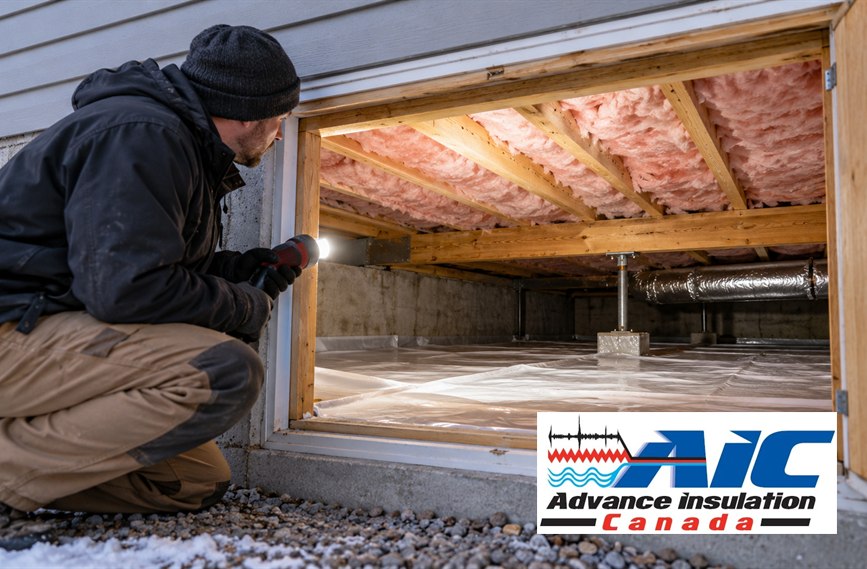
A November inspection for crawl space insulation can connect cold floors to the actual conditions below the room, including ground moisture, rim joists, and access doors.
Cold Floors Often Start Below The Room
A cold floor can feel like a flooring problem, but the cause is often below the room. Crawl spaces can expose floor framing to cold air, damp ground, wind movement, and unsealed service penetrations.
By November, the symptom is usually easy to identify. The homeowner may notice slippers becoming mandatory, rooms cooling near exterior walls, or heating equipment running longer without making the floor feel comfortable.
This connection is easy to overlook because the living space gets the complaint while the crawl space holds the cause. A floor can feel cold even when the thermostat says the room is warm enough.
Look At Moisture Before Adding R-Value
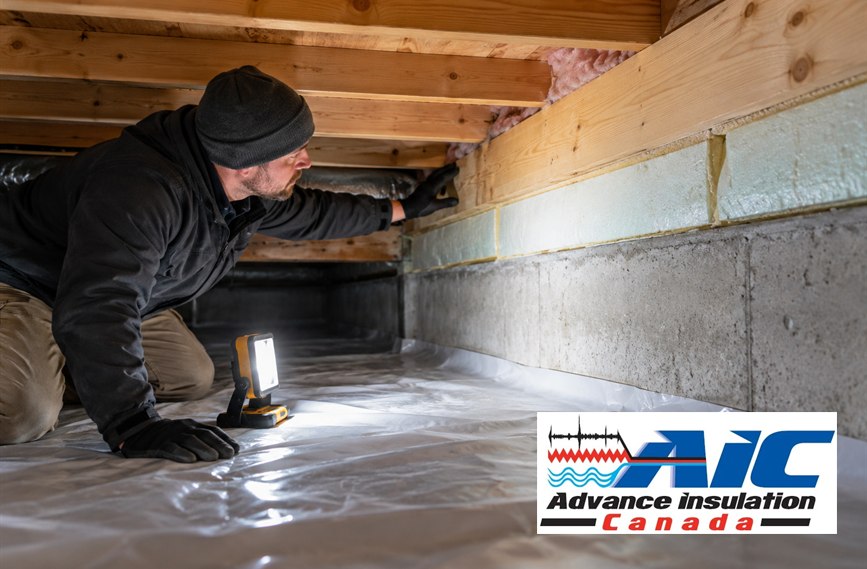
A crawl space insulation plan should start with moisture because damp spaces can undermine the work. Wet ground, torn vapour barriers, standing water, or stained framing may need correction before insulation is installed.
This is where crawl spaces differ from simple attic top-ups. The space may need ground cover repair, air sealing, rim joist attention, or access-door improvements before the insulation layer can perform reliably.
Moisture also affects material choice and sequencing. If the ground cover is torn or wood is damp, insulation should be part of a broader crawl-space plan rather than the first and only step.
Cold-Floor Crawl Space Reference
| Symptom | Crawl Space Clue | Likely Priority | Why It Comes First |
|---|---|---|---|
| Cold floor edges | Open rim areas | Air sealing | Drafts bypass insulation |
| Musty smell | Damp soil or wood | Moisture control | Protects durability |
| Uneven rooms | Missing floor insulation | Thermal upgrade | Reduces heat loss |
| Wind through access | Loose hatch or door | Access repair | Stops direct cold air |
A table like this keeps the homeowner from buying one solution for four different causes. Cold floors can be thermal, air-leakage, moisture, or access problems.
The table gives homeowners a simple way to describe what they feel upstairs and what may be happening below. That translation helps the appointment move from symptoms to building conditions.
Rim Joists And Access Doors Matter
The rim area often carries drafts into the crawl space, while an access door can act like a permanent opening if it is warped or poorly sealed. Both details can make floor insulation feel less effective.
A contractor should be able to explain whether the plan focuses on floor cavities, walls, rim joists, access points, or a combination. That explanation helps the homeowner understand where the comfort improvement should come from.
Access doors are often small, damaged, or poorly sealed. Fixing them can reduce direct cold air movement and make future inspections easier.
Do Not Ignore Stored Items And Clearance
Crawl spaces are often full of stored materials, old debris, or tight clearances. These practical details affect how safely and thoroughly the work can be completed.
Before an appointment, homeowners can clear the access area, identify known hazards, and explain whether prior trades have worked below the floor. A cleaner work path can improve both inspection quality and installation quality.
Clearance can also limit what is practical. A contractor should be honest about areas that cannot be reached safely and explain whether partial improvements still make sense.
Winter Timing Helps Prioritize Comfort
November does not leave much time before the coldest nights, but it still gives homeowners a chance to solve obvious problems before the floor becomes uncomfortable every morning. The goal is not panic; it is sequencing.
The verified crawl space insulation profile on Google Maps helps confirm the business while homeowners compare service options. The quote should still be based on what the crawl space shows, not on a generic winter checklist.
Winter timing can help prioritize the most uncomfortable areas first. If one room or floor edge is the main complaint, the inspection can trace that area before assuming the entire crawl space is the same.
What A Useful Recommendation Includes
A useful recommendation should identify moisture conditions, access limits, air leakage, insulation gaps, and the proposed order of work. If the crawl space needs cleanup or repair before insulation, that should be stated plainly.
It should also explain whether the work is meant to improve comfort, protect pipes, reduce drafts, or support overall energy performance. Different goals can lead to different details.
A strong recommendation should leave the homeowner with a sequence. Moisture control, air sealing, insulation, and access repair may all matter, but they do not always happen in the same order.
Cold-floor complaints can also reveal comfort problems that were tolerated through milder months. A room that felt acceptable in September may become unpleasant once the crawl space cools and wind starts moving through gaps. That change gives homeowners a concrete symptom to describe during the inspection.
A crawl-space quote should be honest about moisture. If exposed soil, torn poly, or wet framing is present, the insulation recommendation should include those facts instead of skipping to product selection. Moisture control may not be the glamorous part of the project, but it often protects the value of the insulation work.
Homeowners should also ask how future access will be maintained. Plumbing, wiring, ducts, and pest inspections may still need access after insulation is installed. A good plan improves comfort without making the crawl space impossible to service.
The homeowner should also think about how the crawl space will be monitored after the work. A sealed access door, improved ground cover, and better insulation can make the space less noticeable, but it should not become forgotten. Seasonal checks for moisture, pest activity, and disturbed materials can protect the investment. Winter comfort is the immediate reason to act, while long-term durability is the reason to keep the crawl space understandable. The best result is a space that performs better and can still be checked without guesswork.
That clarity is especially helpful in older homes where additions, repairs, and past trades may have left different crawl-space conditions under different rooms. One cold floor may have a local cause, while another area may need a broader moisture or insulation plan.
To keep the crawl-space decision grounded, review the complete crawl-space guide and the fall rain preparation article.
The Advance Insulation Canada Invitation
If winter mornings are already making the floors uncomfortable, Advance Insulation Canada can inspect crawl space insulation needs from the ground cover to the rim joists. Call 1-855-531-3626 for a free quote that tackles the cold-floor cause, not just the symptom.