If you live in Canada, you know how important good insulation is. Harsh winters and freezing temperatures mean your home needs to keep the warm air inside and the cold air outside. But when it comes to choosing insulation, the options can get confusing. You’ve probably heard about blown-in insulation vs batts, but aren’t sure which one is better for your house. You might be wondering: which one works better for Canadian homes?
I’ve worked with homeowners and contractors for years, helping them make smart insulation choices. In this article, I will explain both types clearly. I will share the benefits and drawbacks of each and help you figure out which option makes the most sense for your home.
What is Blown-In Insulation?
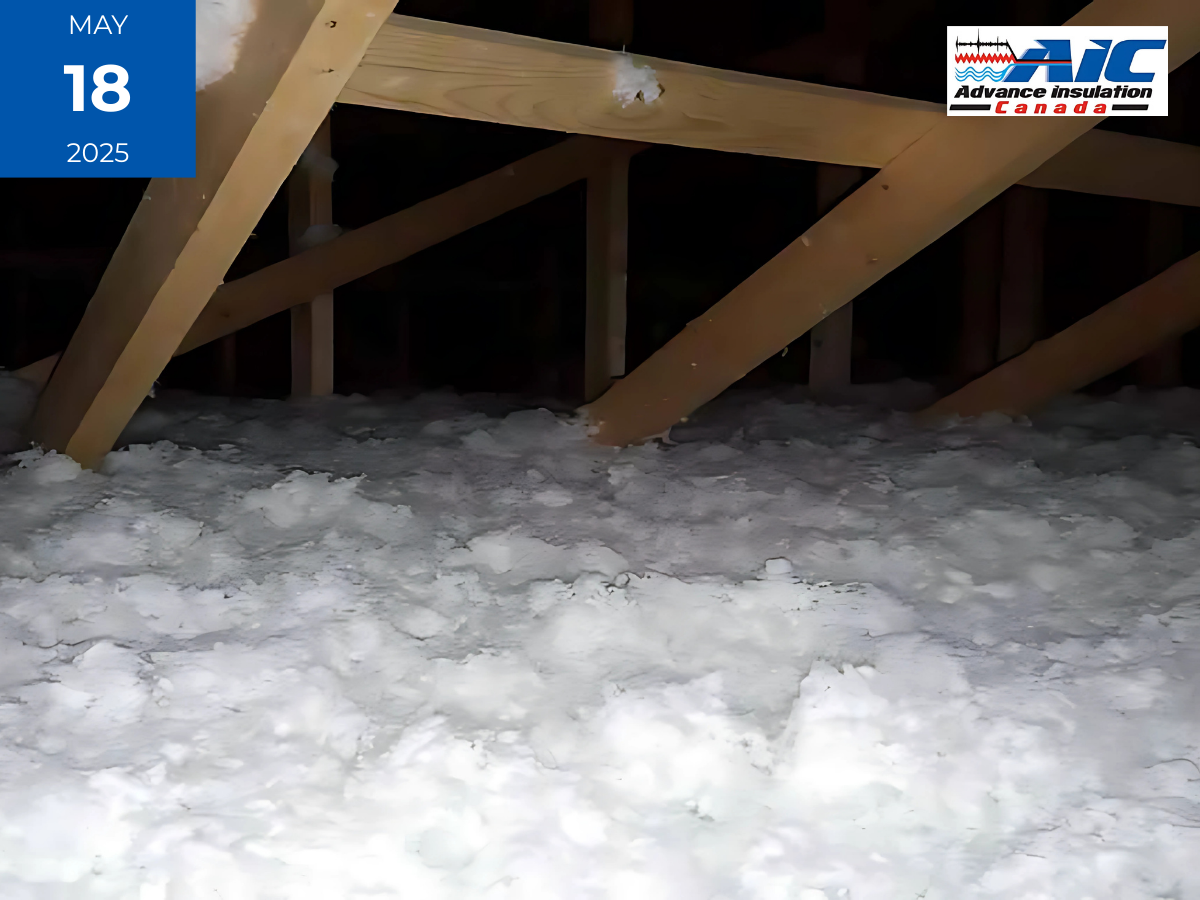
Blown-in insulation is made of loose fibers or particles, such as fiberglass, cellulose, or mineral wool. Instead of being flat panels, it is sprayed or blown into wall cavities, attic spaces, and other hard-to-reach areas. The blowing process allows this insulation to fill cracks and gaps completely, sealing your home against cold drafts.
For many Canadian homeowners, blown-in insulation is a popular choice because it works especially well in irregular spaces and older homes where walls are already closed up. Its ability to create a tight barrier makes it effective at reducing heat loss during cold weather.
The blown in insulation cost is generally higher than batt insulation because of the equipment and labor needed for installation. However, the energy savings from better air sealing and heat retention often make it worth the investment in the long run.
What is Batt Insulation?
Batt insulation refers to pre-cut panels or rolls made mostly from fiberglass or mineral wool. These panels, or insulation batts, are sized to fit between wall studs, floor joists, and ceiling rafters. Because they come in standard dimensions, batt insulation is a common choice for new homes and easy renovations.
One big advantage of batt insulation is its lower price and simpler installation process. Builders often choose batts because they can be quickly placed before walls are closed. If you’re working with a tight budget, batt insulation might be the first option you consider.
That said, the success of batt insulation depends heavily on how carefully it is installed. Any gaps or compression reduce its ability to keep your home warm. So, while batt insulation can be cheaper upfront, poor installation could lead to higher energy bills later.
More: How the 1973 Oil Crisis Sparked the Insulation Boom: A Look from the 1970s to Today
Is Blown-In Insulation Better than Batt Insulation?
Many homeowners ask: Is blown-in insulation better than batt insulation? The truth is, it depends on your home and budget, but blown-in insulation often provides superior performance.
Because blown-in insulation fills every nook and cranny, it blocks air leaks that batt insulation may miss. This means better heat retention and fewer cold spots inside your home. For older Canadian homes or spaces with tricky shapes, blown-in insulation is usually the smarter choice.
However, if your home is newly built or has easily accessible framing, batt insulation is a solid and affordable option. It’s easier and faster to install, making it attractive for many projects.
- Blown-in insulation offers better coverage, air sealing, and energy savings.
- Batt insulation is cost-effective and straightforward for open-wall applications.
What Are the Disadvantages of Batt Insulation?
While insulation batts have their place, it’s important to know their limitations:
- Installation quality is critical. Gaps between batts or compressed batts reduce insulation effectiveness.
- Air leakage is more common. Batts alone do not create an airtight seal, so cold air can seep in around the edges.
- Difficult to fit in odd spaces. Irregular walls or ceilings may leave gaps that let heat escape.
- Moisture absorption risk. Fiberglass batts can absorb water if there’s no proper vapor barrier, reducing their insulating power and risking mold.
What Are the Disadvantages of Blown-In Insulation?
Even though blown in insulation performs well, it also has some drawbacks:
- Higher upfront installation cost. It requires specialized equipment and professionals, making the initial expense higher than batt insulation.
- Settling over time. Some blown-in materials, like cellulose, can settle and lose thickness after a few years, reducing effectiveness.
- Moisture sensitivity. Like batts, blown-in insulation must be protected from moisture to prevent mold and damage.
- Not always DIY friendly. Installation usually needs a professional, so you cannot easily do it yourself.
More: For a good comparison focused on soundproofing see Blown-In Insulation for Soundproofing.
So, What is the Best Insulation For a House in Canada?
If your main goal is to improve energy efficiency and keep your home free from drafts, blown-in insulation is often the best choice. Even though it usually costs more upfront, blown-in insulation does a better job of filling every little gap and reaching tight spaces. This makes it especially useful for older homes or houses with unusual wall shapes or framing. By sealing these gaps, it helps keep warm air inside during cold Canadian winters, which can lower your heating bills.
On the other hand, if you are building a new home, have a limited budget, or want to finish the job quickly, batt insulation might be a better fit. It is easier to install because the panels come in standard sizes and can be handled without special equipment. When installed carefully, batt insulation offers good thermal protection and can keep your home comfortable.
No matter which type of insulation you choose, one thing is very important—proper installation. Even the best insulation material will not work well if it is installed poorly. Gaps, compression, or missed spots reduce how well insulation performs and can cost you more in energy bills.
That is why it is a good idea to hire trusted and experienced professionals. They know how to install both blown-in insulation and batt insulation correctly. This ensures your home stays warm, energy-efficient, and comfortable year-round.
You’ll also want to read How Attic Insulation Improves Energy Efficiency to see why insulation matters overall.
How to Maintain Your Insulation Over Time?
Insulation is a long-term investment in your home’s comfort and energy efficiency. But just like any part of your house, it needs some care to keep working well over the years. Here are some easy ways to maintain your insulation and make sure it lasts as long as possible.
- Check for Signs of Damage Regularly
Look for any damp spots, mold, or signs of pests in your attic, walls, or basement. Moisture and pests can damage insulation materials and reduce their effectiveness. If you spot any issues, address them quickly to prevent bigger problems.
- Keep Your Home Well-Ventilated
Good ventilation helps prevent moisture buildup inside your walls and attic. Too much moisture can cause insulation to lose its insulating ability and may lead to mold growth. Make sure vents, fans, and air circulation systems are working properly.
- Avoid Compressing Insulation
Insulation works by trapping air, so it needs space to perform well. Don’t store heavy items on top of insulation in your attic or crawl spaces. Compressing insulation reduces its ability to keep your home warm or cool.
- Schedule Professional Inspections
Every few years, it’s a good idea to have a professional insulation contractor check your home. They can spot hidden problems, recommend repairs, and suggest upgrades if your insulation is getting old or damaged.
- Upgrade When Needed
If your insulation is older than 15 to 20 years, consider upgrading. New materials and installation methods provide better energy savings. Adding more insulation on top of existing material can also improve your home’s comfort.
Searching for Reliable Insulation Contractors Near Me? We’re Just a Call Away!
If you want expert advice on blown in insulation vs batts or need professional installation, don’t hesitate to reach out. At Advance Insulation Canada, we provide top-quality insulation services designed for Canadian homes. We understand the climate and the unique challenges you face.
Call us today at 1-855-531-FOAM for trusted service. Whether you’re in Victoria BC, Fort McMurray AB, or surrounding areas, our team is ready to help you improve your home’s comfort and energy efficiency with the right insulation solution. Don’t wait for the cold to settle in—contact us now!