Summary: Your attic may need more insulation before summer if upstairs rooms get too hot, your air conditioner runs constantly, or the attic insulation looks thin, uneven, damp, or disturbed. Summer comfort depends on more than insulation depth, so air sealing, ventilation, attic hatch sealing, and moisture control should be checked before adding more material. A spring or early summer attic inspection can help you fix heat transfer problems before the hottest months arrive.
Why Attic Insulation Matters Before Summer Heat Arrives
Many homeowners think about attic insulation during winter, but summer is another major test. On a hot day, the roof absorbs heat from the sun, the attic warms up, and that heat can move down into the rooms below. Without enough attic insulation, upstairs bedrooms, hallways, and bonus rooms can feel uncomfortable even when the air conditioner is running.
Attic insulation acts like a thermal barrier between the hot attic and the cooled living space. Good insulation slows heat transfer, helping your home stay more consistent from morning to night. Poor insulation allows heat to move through the ceiling faster, which can leave your air conditioner working harder than it should.
Summer attic performance also depends on air sealing and ventilation. Insulation slows heat flow, air sealing reduces unwanted air movement, and ventilation helps the attic release built-up heat and moisture. A home may still feel hot upstairs if one of those pieces is missing.
Before summer arrives, the attic gives homeowners an opportunity to prevent seasonal comfort problems instead of reacting to them in July or August.
Hot Upstairs Rooms Are a Common Warning Sign
A hot second floor is one of the most common signs your attic may need attention. If the main floor feels comfortable but bedrooms upstairs feel warm, stuffy, or uneven, attic insulation may be part of the problem. Heat from the attic can radiate downward through the ceiling and make the upper floor harder to cool.
Some homeowners notice the problem most at night. The air conditioner may run during the day, but upstairs rooms still feel warm at bedtime. Poor attic insulation can allow heat stored in the attic to continue moving downward after the sun goes down.
Warm upstairs rooms can also point to air leakage. Gaps around attic hatches, pot lights, plumbing stacks, wiring holes, bathroom fans, and ceiling penetrations can allow hot attic air to affect the home. Adding insulation without sealing those gaps may not solve the problem fully.
A proper inspection should look at insulation levels, attic hatch sealing, air leaks, ductwork if present, ventilation paths, and signs of damaged insulation. More insulation may help, but the attic system needs to be reviewed as a whole.
Your Air Conditioner Should Not Have to Fight the Attic
An air conditioner can only do so much if the attic is constantly adding heat to the living space. When attic insulation is too low or poorly installed, the cooling system may run longer cycles, struggle to satisfy the thermostat, or leave certain rooms uncomfortable.
Long cooling cycles are not always caused by the air conditioner. Sometimes the equipment is doing its job, but the home is gaining heat too quickly. A poorly insulated attic can make the house feel like it is losing the cooling battle before the system has a chance.
Higher summer hydro bills can be another clue. If your cooling costs rise every summer and the upstairs still feels warm, the attic should be checked. Extra insulation can reduce heat transfer through the ceiling, but air leaks and ventilation issues should be corrected as well.
A good attic upgrade may help reduce strain on the cooling system. Less heat entering the living space can support steadier indoor temperatures and make the home feel more comfortable during hot weather.
Thin, Uneven, or Settled Insulation May Need a Top-Up
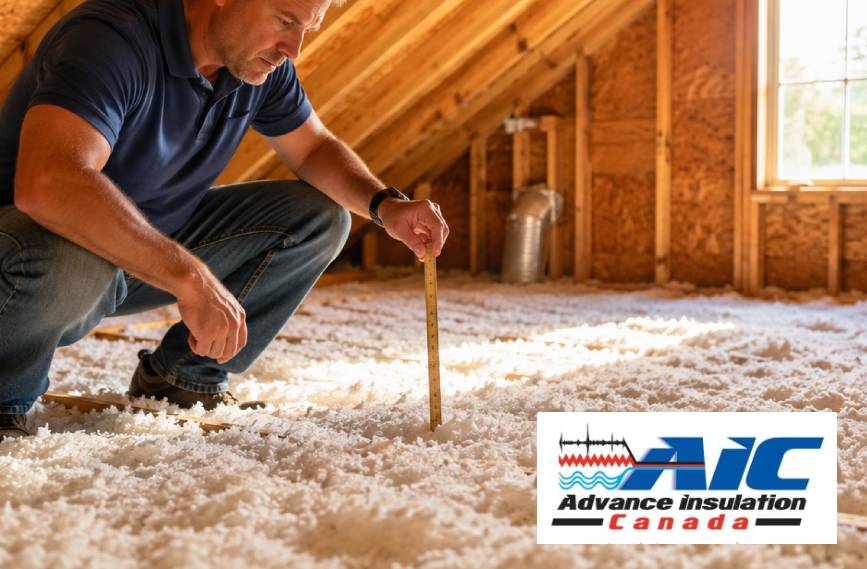
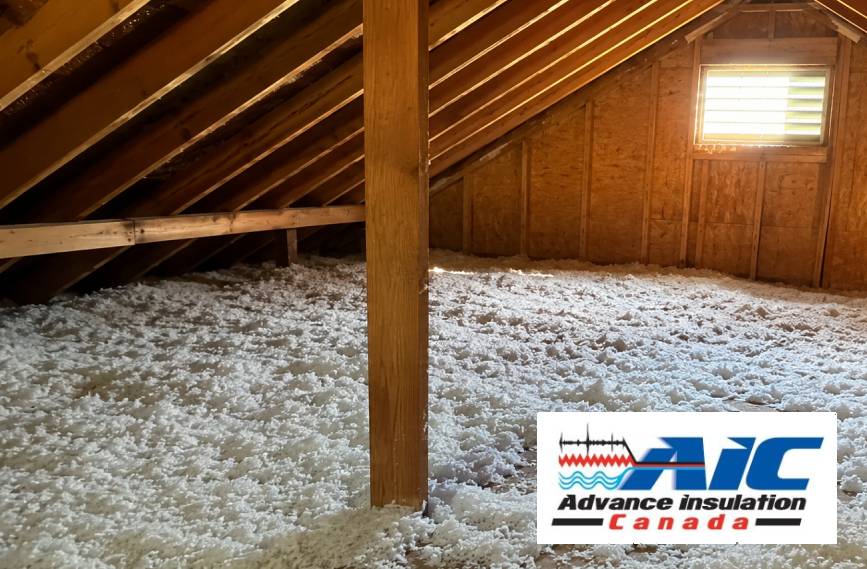
Attic insulation can settle, shift, or become uneven over time. Loose-fill insulation may look thick in some areas but thin near the eaves, attic hatch, or places where workers have moved through the space. Batt insulation may have gaps, compression, or poor fit around framing.
A visual inspection can reveal a lot. If ceiling joists are easy to see above the insulation, the attic may not have enough coverage. If insulation is piled high in one area and missing in another, performance will be inconsistent. If insulation has been pushed aside for wiring, plumbing, storage, or past repairs, heat can move through those exposed areas more easily.
Low insulation levels are common in older homes. Many attics were built to older standards or had insulation added without proper preparation. Some homes also have insulation near the attic entrance but much thinner coverage farther away from the hatch.
Before adding more insulation, the existing material should be checked for moisture, mould concerns, pests, vermiculite, and contamination. Fresh insulation should not be used to hide a problem.
Air Sealing Should Come Before Adding More Insulation
More insulation is not always the first step. Air sealing often needs to happen before an insulation top-up. Small gaps in the ceiling can allow air to move between the living space and the attic, which weakens comfort and energy performance.
Air leaks are common around attic hatches, electrical penetrations, plumbing stacks, exhaust fans, chimney chases, dropped ceilings, and recessed lights. During summer, hot attic air can enter the home through those gaps. During winter, warm indoor air can leak into the attic and carry moisture with it.
Adding insulation over unsealed gaps can make them harder to find later. Insulation may cover the opening, but air can still move through the material. The result is an attic that looks improved but still performs poorly.
A careful contractor should identify major air leakage areas before topping up the attic. Sealing gaps first helps the new insulation do its job. It can also help reduce drafts, improve comfort, and lower the chance of moisture-related problems.
Ventilation Still Matters in a Summer Attic
Attic ventilation helps move heat and moisture out of the attic. During summer, ventilation can reduce heat buildup under the roof. During cooler seasons, ventilation also helps manage moisture that reaches the attic despite air sealing.
Good ventilation usually depends on a clear path from intake vents, often at the soffits, to exhaust vents near the roof peak. Problems happen when insulation blocks soffit vents, baffles are missing, vents are damaged, or airflow paths are restricted.
Adding more insulation without protecting ventilation can create problems. If loose-fill insulation is blown into soffit areas without baffles, airflow can be blocked. Poor ventilation may leave the attic hotter, increase moisture concerns, and reduce the overall performance of the attic system.
An attic inspection before summer should check soffit vents, roof vents, baffles, bathroom fan termination points, and insulation placement near the eaves. Better insulation should work with ventilation, not against it.
Moisture, Pests, and Damage Should Be Fixed First
A summer insulation upgrade should never cover up winter damage. Attics can collect problems during the colder months, including condensation, ice dam leaks, roof leaks, animal activity, and damp insulation. Spring and early summer are good times to find those issues before adding more material.
Moisture signs include stained roof sheathing, rusty nail tips, dark patches, damp insulation, musty smells, or ceiling stains below the attic. Pest signs may include droppings, tunnels, nesting materials, chewed areas, and disturbed insulation. Compressed or contaminated insulation may not perform properly and may need removal before new material is installed.
Bathroom fans also deserve attention. A fan duct that vents into the attic can send warm, moist air directly into the space. Over time, that moisture can affect insulation and wood surfaces. Any fan should vent outdoors through a proper termination point.
A healthy attic upgrade starts with correcting sources of damage. Once the attic is dry, clean, sealed, and properly ventilated, insulation can be added with more confidence.
How to Know If More Insulation Is the Right Move
More attic insulation may be the right move if your home has hot upper rooms, rising cooling costs, visible low insulation, uneven coverage, or older insulation that no longer performs well. A top-up can be especially helpful when paired with air sealing and proper ventilation.
| Sign | What It May Mean | Best Next Step | Timing |
|---|---|---|---|
| Hot upstairs rooms | Heat is moving down from the attic | Inspect insulation depth and air leaks | Before summer heat peaks |
| Thin or uneven insulation | Coverage may be too low | Consider an attic top-up | After air sealing |
| Blocked soffit vents | Attic airflow may be restricted | Clear vents and add baffles | Before adding insulation |
| Damp or musty insulation | Moisture may be present | Fix the source first | Before any top-up |
A professional inspection can help answer important questions. How much insulation is currently in the attic? Is the existing insulation dry and clean? Are there air leaks that need sealing first? Are soffit vents open? Are baffles needed? Is the attic hatch insulated and weatherstripped? Are bathroom fans vented outdoors?
Homeowners should also think about comfort goals. If you are using fans constantly upstairs, closing blinds all day, adjusting the thermostat repeatedly, or avoiding certain rooms in summer, the attic may be contributing to the problem.
The best time to deal with attic insulation is before extreme heat arrives. Early action gives homeowners time to inspect, plan, air seal, repair, and add insulation before the hottest part of summer places extra demand on the home.
The Advance Insulation Canada Invitation
If your upstairs rooms get too hot or your attic insulation looks thin, uneven, or damaged, Advance Insulation Canada can inspect your attic and help you decide if more insulation is needed before summer. Contact the team to ask about attic insulation, insulation top-ups, air sealing, ventilation concerns, and insulation upgrades for a more comfortable home. Call us at 1-855-531-3626 today to get started.