
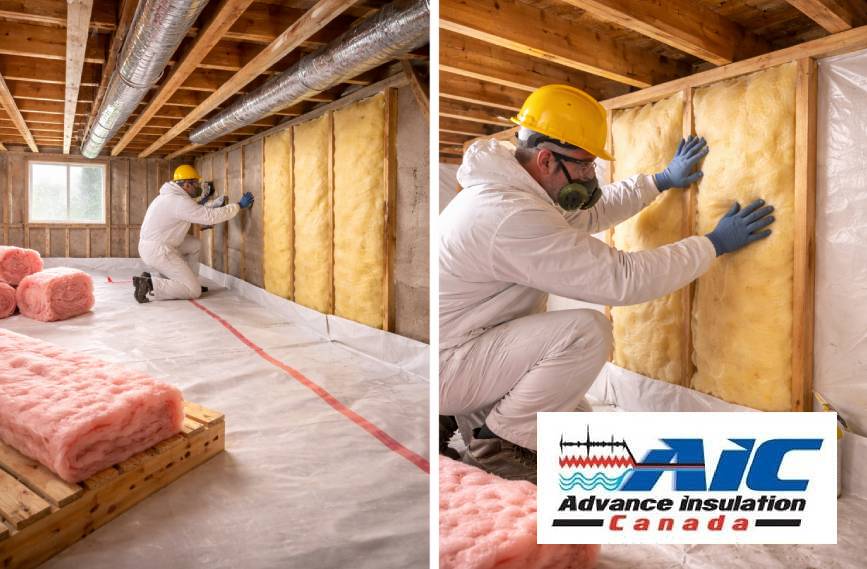
Summary: A damp, uninsulated crawl space can lead to moisture problems, mold growth, and significant energy loss. Poor conditions in this area often result in cold floors and reduced overall home comfort. Proper insulation and moisture control transform the space into a dry, efficient part of the home.
How to Insulation a Crawl Space the Right Way
How to insulation a crawl space is a common question among homeowners across British Columbia who are dealing with cold floors, musty odors, or high energy bills. Crawl spaces often go unnoticed, yet they play a major role in overall home performance. When insulation is missing or poorly installed, the entire home can feel uncomfortable and inefficient.
Crawl spaces in British Columbia face unique challenges. Moisture from the ground, coastal humidity, and seasonal temperature shifts create an environment where insulation must do more than just slow heat transfer. It must also help control moisture and support air sealing efforts.
A well-insulated crawl space helps stabilize indoor temperatures and reduces the strain on heating systems. Floors feel warmer, rooms feel more consistent, and energy usage becomes more predictable. Long-term benefits include improved material durability and a lower risk of mold or wood damage.
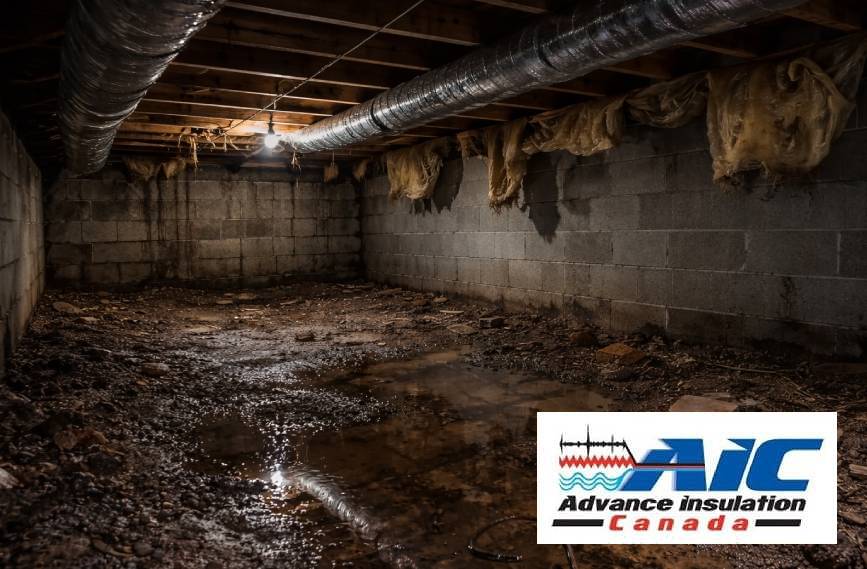
Before starting, homeowners should assess the crawl space’s current condition. Look for exposed soil, standing water, damaged insulation, and signs of air leakage. Addressing these issues first creates the foundation for a successful insulation upgrade.
Material choice plays a major role in performance, and spray foam continues to be one of the most effective options for efficiency and comfort.
| Area | Main Concern | Recommended Approach | Main Benefit |
|---|---|---|---|
| Crawl space ground | Moisture rising from soil | Install a sealed vapor barrier | Helps keep the space dry |
| Crawl space walls | Heat loss and air leakage | Insulate and air seal the walls | Improves efficiency and comfort |
| Rim joists | Drafts and thermal gaps | Seal edges and add insulation | Reduces unwanted airflow |
| Floor above crawl space | Cold floors | Insulate only if wall sealing is not planned | Can improve room comfort |
How Do You Insulate a Crawl Space in British Columbia Conditions
How do you insulate a crawl space in British Columbia? It requires a strong focus on moisture control. Many insulation failures happen because moisture problems were never properly addressed before installation.
Air sealing is one of the first steps. Gaps around pipes, vents, and framing allow outside air to enter, bringing moisture with it. Sealing these gaps helps create a more controlled environment where insulation can perform effectively.
A vapor barrier is essential in most crawl spaces. Installed over exposed soil, it prevents ground moisture from rising into the space. Without a vapor barrier, insulation materials can absorb moisture, leading to reduced effectiveness over time.
Drainage around the home should also be considered. Water that collects near the foundation can seep into the crawl space, causing ongoing moisture problems. Proper grading and drainage systems help protect the space before insulation is installed.
Taking the time to prepare the crawl space properly ensures the insulation will last longer and perform as intended.
How to Insulation a Basement Crawl Space for Maximum Efficiency
How to insulation a basement crawl space depends on how the space is used and whether it is vented or sealed. In many cases, modern approaches favor sealing the crawl space and insulating the walls rather than insulating the floor above.
Wall insulation helps bring the crawl space into the conditioned area of the home. This reduces temperature differences between floors and improves overall comfort. It also protects plumbing and mechanical systems from temperature extremes.
Sealing the crawl space eliminates uncontrolled airflow. This approach creates a more stable environment and reduces the risk of moisture entering the space. When combined with proper insulation, it leads to better energy performance.
The rim joist area is another important focus. This area often contains small gaps that allow air to move freely in and out of the crawl space. Sealing and insulating this section helps prevent heat loss and improves overall efficiency.
Homeowners who take a comprehensive approach often see better long-term results.
If your project involves a larger renovation, understanding how insulation fits into basement upgrades can help you make better long-term decisions.
How to Insulate Crawl Space Floors vs Walls
Understanding the difference between insulating floors and walls is essential for effectively insulating crawl spaces. Each approach serves a different purpose and is suited to different conditions.
Insulating the floor above the crawl space can reduce heat loss into the space below. This method is more common in older or vented crawl spaces. However, it leaves the crawl space exposed to outdoor conditions, which can lead to moisture issues and temperature swings.
Wall insulation creates a more controlled environment. By insulating the perimeter, the crawl space becomes part of the home’s thermal envelope. This helps maintain more consistent temperatures and reduces the likelihood of frozen pipes.
In British Columbia, where moisture is a major concern, wall insulation is often the preferred option. It allows homeowners to better manage both temperature and humidity levels within the crawl space.
Choosing the right approach depends on the home’s structure and the condition of the crawl space.
How to Insulate the Crawl Space with the Right Materials
How to insulate the crawl space successfully depends on selecting materials that can handle both temperature changes and moisture exposure. Not all insulation types perform well in crawl space environments.
Materials that resist moisture and provide air sealing are often the best choice. These options help prevent air movement and reduce the risk of condensation forming within the space. Proper installation is just as important as the material itself.
Rigid insulation panels are commonly used along crawl space walls. They provide consistent coverage and help reduce heat transfer. When properly sealed, they create a strong barrier against both air and moisture.
Spray-applied insulation is another effective option. It expands to fill gaps and creates a continuous layer that limits air movement. This type of insulation is especially useful in areas with irregular shapes or hard-to-reach spaces.
Choosing the right material ensures long-term performance and helps avoid future problems.
How to Insulation a Crawl Space Step by Step
Properly insulating a crawl space involves following a clear sequence of steps. Skipping steps can lead to poor performance and costly issues later.
Begin by clearing out debris and removing any damaged insulation. Inspect the space carefully for signs of water intrusion or mold. Address these issues before moving forward.
Install a vapor barrier across the ground. Ensure all seams are sealed, and edges are secured to prevent moisture from entering the space. Extending the barrier slightly up the walls can provide additional protection.
Seal all visible gaps and openings. Use appropriate sealants to close areas where air can move freely. This step is essential for improving insulation performance.
Install insulation along the walls or beneath the floor, depending on the chosen approach. Make sure the material fits tightly and is properly secured.
Finish by reviewing the entire space. Confirm that the crawl space is dry, sealed, and properly insulated.
If you want a more detailed walkthrough, this guide breaks down the full process of insulating a crawl space from start to finish.
How to Insulate a Crawl Space to Prevent Moisture and Mold
Insulation of crawl space areas in British Columbia must always include a strategy for moisture control. Insulation alone does not prevent mold or moisture issues.
Ground moisture is a primary concern. A properly installed vapor barrier helps block moisture from entering the space. Without it, humidity levels can rise, creating conditions for mold growth.
Air leaks also contribute to moisture problems. Warm air entering a cool crawl space can lead to condensation. Sealing these leaks helps maintain a stable environment.
In some cases, additional measures such as dehumidification may be needed. Maintaining balanced humidity levels protects both the insulation and the structure of the home.
Preventing moisture is key to ensuring insulation performs over time.
How to Insulate the Crawl Space for Long-Term Savings
Properly insulating the crawl space leads to long-term savings and improved home performance. Reduced heat loss means lower energy consumption and more consistent indoor temperatures.
Heating systems do not need to work as hard when insulation is effective. This can extend equipment lifespan and reduce maintenance costs over time.
Comfort improvements are often noticeable soon after installation. Floors feel warmer, and temperature fluctuations are reduced. These benefits contribute to a more enjoyable living environment.
Over time, energy savings can offset the cost of installation. Homeowners who invest in proper insulation often see both immediate and long-term value.
Before starting your project, it helps to understand what insulation costs look like for crawl spaces in British Columbia.
The Advance Insulation Canada Invitation
Advance Insulation Canada provides crawl space insulation solutions across British Columbia, helping homeowners improve comfort, reduce energy costs, and protect their homes from moisture-related issues. Call 1-833-FOAM-IT to speak with a team that can guide your crawl space renovation and insulation project.